


30 March marks International Zero Waste Day, established by the UN in 2022. This year’s theme is food waste, but the transition to a circular economy is a much broader challenge: ranging from the reuse of packaging to producer responsibility, a systemic response that Europe is building piece by piece is taking shape.
Food waste
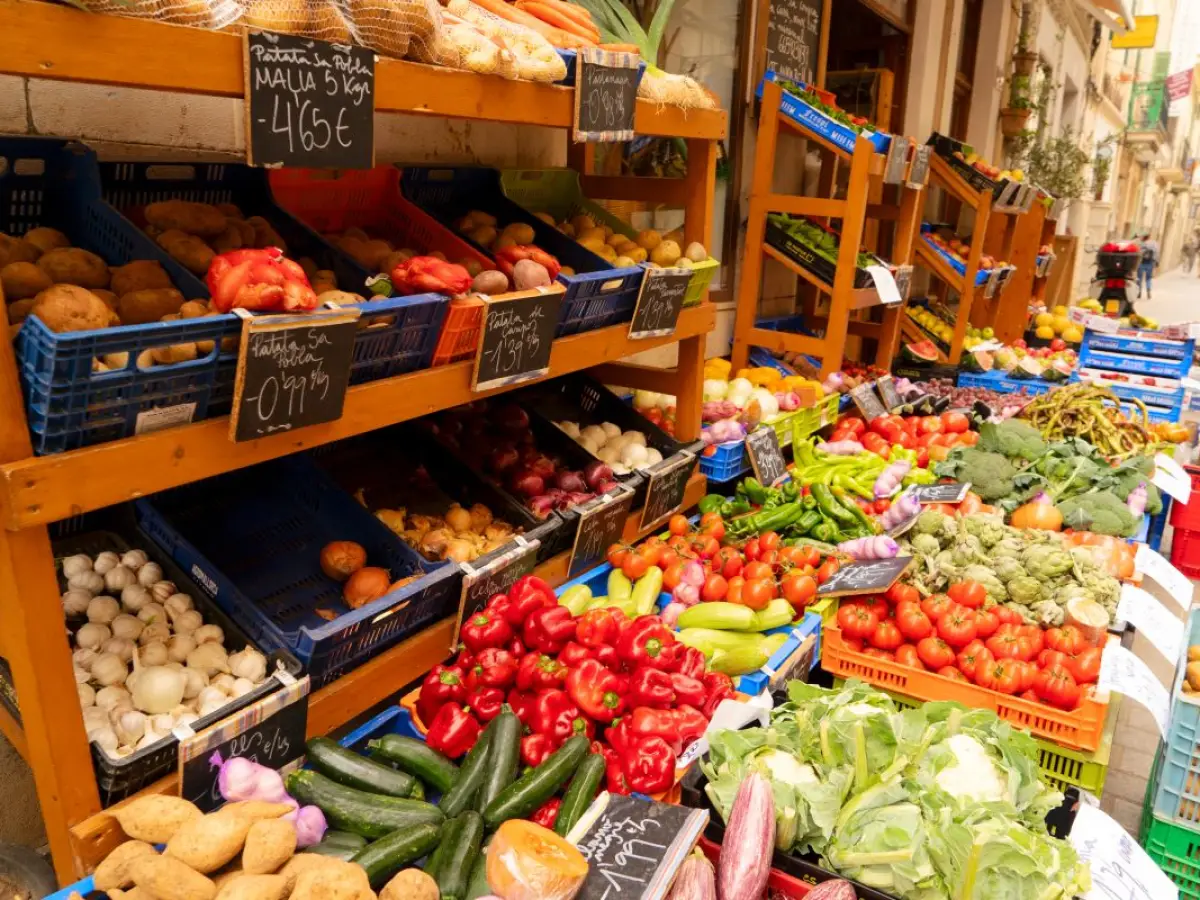
European citizens produce 129 kilograms of food waste per person each year, contributing to 8–10% of global greenhouse gas emissions. It is not just about leftovers on the plate: each piece of discarded food comes with the environmental cost embedded in its production in terms of water, energy, land and transportation. When food ends up in a landfill, the costs are amplified by the gases released during decomposition. The waste sector is the second-largest source of anthropogenic methane emissions in the EU, accounting for around 27% of such emissions, and the decomposition of food in landfill is the main culprit.
Although the separate collection of biowaste has become mandatory in the European Union since 2024, only 26% of kitchen waste is actually collected, far from the theoretical potential of 60 million tonnes per year. A defeat that does not stem from a lack of targets, rather from the absence of adequate economic incentives for those who should be building the collection infrastructure. The mandatory targets approved by the European Parliament in September 2025 (-30% for distribution and consumption, -10% for production by 2030) are considered a step in the right direction and yet largely insufficient in relation to the commitment made under the UN Sustainable Development Goals.
“Our leaders shy away from decisive action, ignoring the huge impact food waste has on climate change,” Theresa Mörsen, Waste & Resources Policy Manager for Zero Waste Europe, has stated to Renewable Matter. “Ambitious and legally binding targets are an essential tool in bringing all countries and all food businesses on board in the fight against food waste.
Denmark: reusing works, but there is no national legislation
In fact, some best practices offer tangible and replicable data, such as the Danish experience in the field of packaging reuse. In Denmark, citizens use between 200 and 300 million disposable cups in urban areas each year, almost all of which end up as waste. In Aarhus, 48% of the material collected in public bins is food and drink packaging. In light of these figures, Denmark’s two main cities have chosen not to wait for national legislation and to build structured reuse systems on their own.
Aarhus’s REUSEABLE project has recorded 1.8 million reused containers, preventing over 20 tonnes of waste and achieving a return rate of 88%. During the week of the Aarhus Festival alone, 150,000 container cycles were recorded, resulting in a return rate of 94%. Copenhagen followed suit with a similar system, launched in October 2025.
The common obstacle, however, is the lack of national legislation that penalises single-use items and ensures that reuse is economically viable without subsidies. As Anders Laursen, project manager for the municipality of Aarhus, acknowledged after two years of trialling the scheme: “Our experience shows that city-led action can kickstart real change, but it cannot stand alone. Scaling reuse is not just about technology, but about the right framework conditions – from pricing and procurement to national legislation.”
EPR and mandatory targets: the three priorities for a change of course
The issue of funding is the core problem. At present, the costs of managing food waste fall almost entirely on local authorities – and therefore on taxpayers – while producers and distributors bear no direct financial responsibility. Zero Waste Europe has identified three priorities on which European and national legislators should take urgent action.
The first is to set mandatory targets for the collection and treatment of food waste. Until there are specific targets on the amount of biowaste allowed in residual waste and on the quality of material sent for composting, the methane produced by the decomposition of food in European landfills will continue to contribute to global warming without anyone being held accountable.
The second is to ensure dedicated funding for waste prevention and management in the forthcoming Circular Economy Act through an Extended Producer Responsibility for Food Products (EPRFP) scheme. Inclusion of this tool in the Circular Economy Act would transfer the costs of waste prevention and management to the entities with the greatest influence over consumer behaviour: producers and large retailers.
“We see clear benefits of this new financing tool to address the current shortfalls,” concludes Mörsen. “It can help achieve the EU's circularity, climate, and bioeconomy goals by increasing the capture of bio-waste, returning nutrients to the ground, and reducing the amount of mixed waste that does not get recycled.”
The third priority concerns the ambitious implementation of the targets already approved. Member States will have to start work by 2028, but the call is to go beyond the minimum level set by the directive, targeting the -50% reduction that governments had already committed to in the UN SDGs.
Cover: Envato image