


Some of the most fascinating explanations are often found in the etymology of a word. When Jean Baptiste van Helmont first coined the word “gas” in the 17th century, he took it from χάος (Kaos), a nod to the Greeks who first talked about this weird version of matter. The language of science changes, but the basic idea stays the same: what you can’t see can still move the world. To the ancients, gas had a divine origin; it was the element that came from Kaos, the primordial place of formless and crude matter from which the Demiurge drew to create the orderly world, the Cosmos. For the Romans, bad air existed, the aer malus or corruptus, which referred to both toxic gases and pestilence, known in the Middle Ages as miasmas.
In the mid-18th century, scientific approaches brought some order to the chaos. Henry Cavendish identified one of the first gases, extremely light and flammable, calling it “flammable air” – today we call it hydrogen. Within it, the molecules moved in a chaotic and unpredictable manner, an elusive element by nature, uncontrollable and incompressible. A new state of matter had found its classification.
Oxygen was identified between 1772 and 1774: Carl Scheele first isolated it but published his findings later; Joseph Priestley then described it in experiments with mercury oxide and called it “dephlogisticated air”. It was Lavoisier who understood the nature of oxygen as a simple element, and laid the foundations of modern chemistry. This was followed by the discovery of nitrogen, carbon dioxide, methane, chlorine, ammonia and others.
Nowadays, all gases play a central role in our economy, from energy carriers (methane, hydrogen, ammonia) to medical use (oxygen and nitrous oxide), industry (argon for welding), and the food sector (such as nitrogen in fertilisers and CO2 for carbonated drinks). Even in their negative impact (the overabundance of climate-changing gases or excess nitrogen), gases determine our development, our history, our planet and life on it. For this reason, we wanted to devote an entire issue of the magazine to this incredible subject, enthusiastically illustrated by Mark Miodownik, author of the book It's a Gas.
Starting with the king of energy gases, natural gas (of which methane is the main component), and the complex role it plays in energy transition and climate change, featuring two interviews with Robert Howarth, best known for his research on methane emissions associated with the fossil fuel industry, and Ana Maria Jaller-Makarewicz, a highly renowned analyst in the gas market. Journalist Stefano Vergine has conducted an extensive investigation into Europe's dependence on the US and the Middle East to understand how methane constitutes a limitation on the European energy market but at the same time remains a fundamental fuel, now supported by the much more sustainable biomethane. Next, we analysed the whole world of technical gases, from refrigerants to the medical world, without forgetting the rise of CO₂ capture and storage technologies and hydrogen as a fuel (still struggling to take off).
Another issue that surprised us on every page and transported us into the world of energy geopolitics and highly sophisticated sectors of chemistry, contributing to the decarbonisation of our economy and providing increasingly innovative and low-impact solutions. And, as always, we hope you have an enjoyable read!
DOWLOAD AND READ ISSUE #61 OF RENEWABLE MATTER: GASES
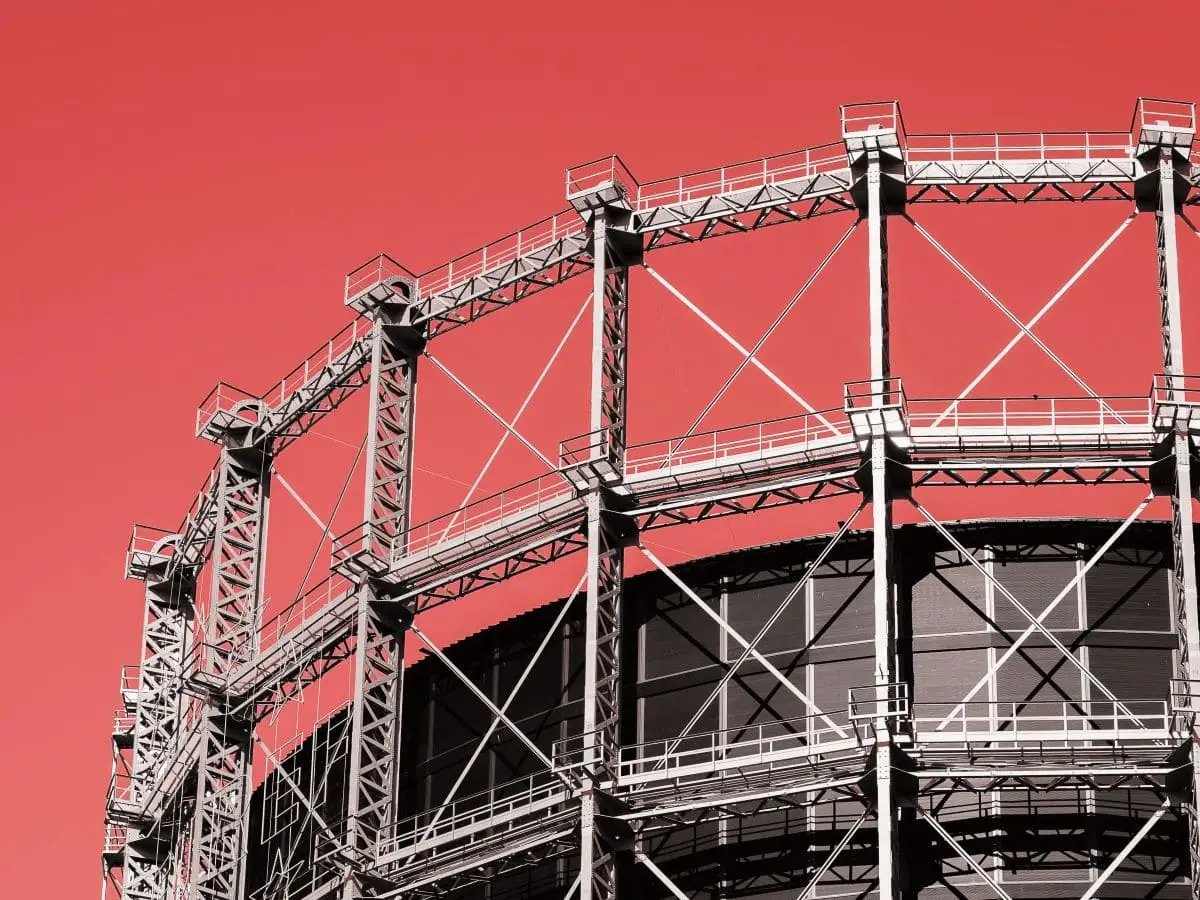
Cover: reworked photo by Pascal Bullan, Unsplash