
 Google Calendar
 Outlook Calendar
 Apple Calendar
 Yahoo Calendar

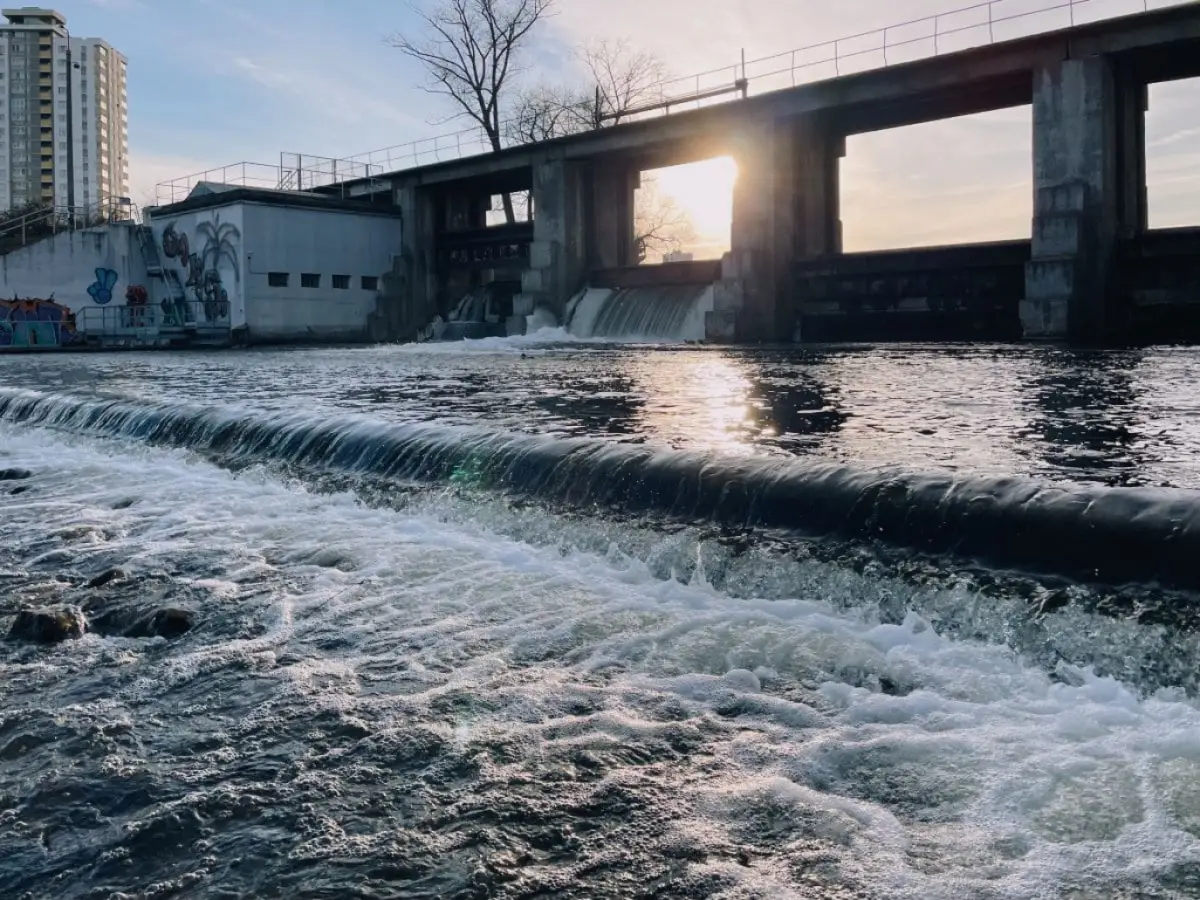

In 2026, water will be the testing ground for transition. No longer a sectoral issue, but rather an invisible infrastructure that holds together climate, production, cities, agriculture and social stability. It is therefore essential to look at the agenda of the main international conferences, industrial fairs and scientific forums that will mark the year ahead in order to reconstruct the map of power, knowledge and investment around an increasingly scarce and increasingly vital resource.
For now, from Stockholm to Abu Dhabi, from Glasgow to Rome, we can be certain that the water agenda for 2026 will seek to make an already ongoing transformation increasingly visible. Water is becoming a permanent fixture in the lexicon of security, industrial competitiveness and international cooperation. A shift in perspective yet to be fully realised, which we will continue to report on through The Water Observer.
Water global governance
The most eagerly awaited political event is undoubtedly the 2026 UN Water Conference, scheduled for 2–4 December in the United Arab Emirates and co-hosted by the Government of Senegal. Three years after the UN Water Conference in New York and more than half a century after the historic meeting in Mar del Plata, the international community will reconvene around Goal 6 of the 2030 Agenda, with a sense of urgency to catch up on universal access, sanitation and sustainable resource management.
Particular attention will be paid to the consequences of the United States' withdrawal, announced by Trump on 7 January, from the UNFCCC and UN Water, the inter-agency mechanism that coordinates the efforts of United Nations entities and international organisations dealing with water and sanitation issues.
Workshops of ideas, from Stockholm to Glasgow
World Water Week 2026, from 23 to 27 August in Stockholm, as always, will be a testing ground for new ideas. With a hybrid programme and a community of researchers, NGOs, companies and institutions, the conference will once again focus on the intersections between water, climate and development.
A few weeks later, from 4 to 8 October, Glasgow will host the IWA World Water Congress & Exhibition, the International Water Association's major event dedicated to the integrated water cycle. Utility companies, network operators and technology providers here will discuss leak management, resilient infrastructure, digitalisation and nature-based solutions.
Italy, the Mediterranean and the rest of the world: water as a frontier for cooperation
In 2026, Rome will become the Euro-Mediterranean water capital with the EuroMediterranean Water Forum, taking place from 29 September to 2 October: it will serve as a preparatory stage for the 2027 World Water Council conference in Dubai. The event in the Italian capital will look beyond the countries bordering the Mare Nostrum, including continental Europe and the Balkans, and focus on climate adaptation, hydrogeological risk management, agriculture and cooperation.
Italy will also be the venue for more technical but strategic events. Ecomondo 2026 (Rimini, 3-6 November) and Accadueo 2026 (Fiera del Levante in Bari, 26-27 November) will gather managers, industries and institutions to discuss the future of integrated water services, including smart networks, the circular economy and urban resilience.
2026 will see a packed agenda of other international fairs and expos. ASIAWATER in Kuala Lumpur in April, Singapore International Water Week in June and WEFTEC in New Orleans in September are set to continue as the main platforms for wastewater treatment, reuse, monitoring and management technologies. In addition to exploring new business models and financial instruments to support the necessary investments across the globe.
Cover: photo Envato