


Ever since its foundation in 2009, the Spanish fashion company Ecoalf has been investing in sustainability and regeneration. In 2024, it reached almost 55 million in revenue, with 250 employees and 9 flagship stores in Madrid, Barcelona, Bilbao, Zaragoza, and Milan. The company uses plastic recovered from fishing nets, and cotton and wool from recycled fabric material. The goal is to minimise the environmental impact of fashion and become carbon neutral by 2030. And, with its latest regenerative agriculture project aimed at improving soil health, Ecoalf is undertaking an innovative and fascinating journey.
Upcycling plastics and recycling cotton
The company already has many successful initiatives under its belt. These include Upcycling the Oceans, a project that involved 4,300 fishers in Spain, Thailand, Greece, Italy, and Egypt, which made it possible to recover over 1,700 tonnes of waste from the sea floor. These materials are then sorted, PET is recycled into flakes, which are then turned into pellets before being spun to create fabrics. The aim for 2025 is to reach 10,000 fishers involved.
Additionally, Ecoalf has a collection created entirely from recycled cotton, whose garments are themselves conceived to be recycled: the line, named Ecoalf Wellness, is entirely “zero water and zero plastic”, and flip-flops are made from used tyres. Strict transparency and traceability standards are followed, certified through the company's B Corp status, obtained back in 2018.
Regenerative agriculture in India
Finally, a regenerative agriculture project was launched in 2022 in India, developed alongside Anglo-Indian startup Materra, which has so far involved almost 4,500 farmers in Gujarat State.
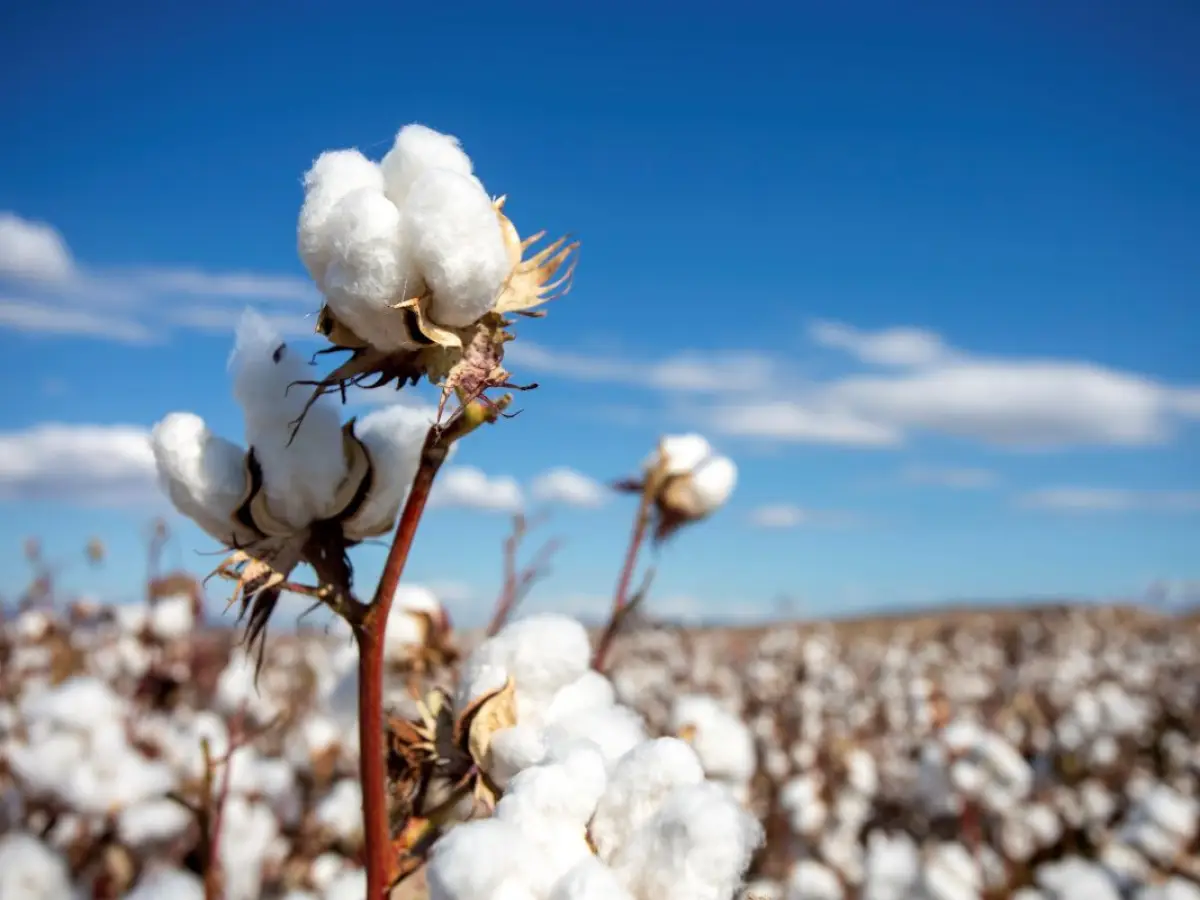
But what does this imply exactly? Regenerative farming aims to restore the soil's natural fertility, promote biodiversity, and increase agricultural ecosystems' resilience to environmental stress. It is based on a preventive approach that harnesses natural solutions, such as the use of biofertilisers and biopesticides, or strategies that remove insects from crops by pushing them toward other plants. This agricultural method rejects monocultures and encourages plant diversity. Applied techniques include crop rotation, use of green manure by burying plant matter to enrich the soil, and reduction of ploughing, which allows the soil to retain more carbon and improves its structure. Less water is used, and chemical inputs are avoided as much as possible. And, in regenerative fields, cotton grows alongside wheat, cauliflowers, beans, aubergines, carrots, lentils, radishes, peppers, gourds, and animal fodder. And countless yellow and orange marigold flowers.
A system that's gaining consensus
The system works and grows in strength thanks to word-of-mouth and, especially, thanks to those farmers who pioneer this method. They are the ones, along with Materra's technicians and expert agronomists, who are disseminating practical skills and the tricks of the trade among farming communities. Knowledge is shared about what specifically needs to be done, which techniques work best, and especially the right moment to implement them to achieve the greatest results.
The outcomes have been very interesting: so far, Ecoalf has purchased 2,100 kilograms of regen cotton, enough to manufacture approximately 3,000 t-shirts, and has converted over five hectares of agricultural land to more environmentally respectful use. While in 2022 the initiative started with only 21 farmers willing to take part, now there are over 4,000 farmers in the state of Gujarat who have chosen regenerative methods. This model has gained consensus by showing that it improves biodiversity, reduces the use of resources, and increases revenues. For, in addition to better yields and lower production costs, Ecoalf pays a 15 percent premium (above market price) to the growers of this very special cotton.
This content is produced thanks to the support of sponsors
Cover: Envato image