


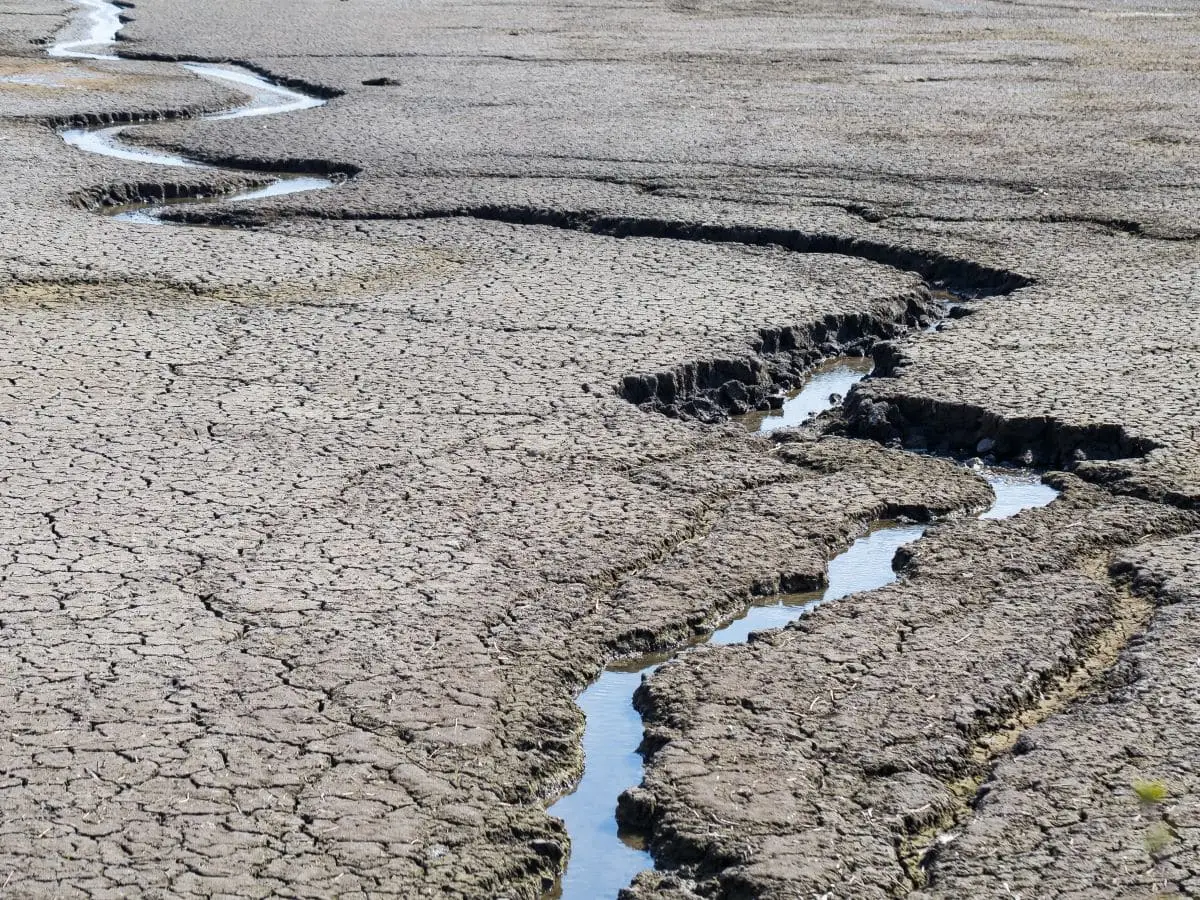

2025 has been a particularly critical year for our planet: with an average global temperature of 14.97°C, which is 0.59°C above the 1991-2020 average, last year has been the third hottest ever recorded. This is confirmed by data published today, 14 January 2026, by the European Centre for Medium-Range Weather Forecasts (ECMWF), which manages the Copernicus Climate Change Service (C3S) and the Copernicus Atmosphere Monitoring Service (CAMS) on behalf of the European Commission.
According to Copernicus analyses, 2025 appears to be only slightly (0,01°C) less warm than 2023, and with temperatures 0,13°C cooler than 2024, the warmest year on record. Overall, data also show that global temperatures in the last three years (2023-2025) have been on average more than 1.5°C higher than the pre-industrial level (1850-1900). A huge red flag, considering it is the first time a three-year period has exceeded the 1.5°C limit. These figures, seriously threatening the stability of ecosystems, are unfortunately reflecting a growing trend: the last 11 years have been the 11 warmest years ever recorded.
Three exceptionally warm years
Between 2023 and 2025, global temperatures have been particularly high for two main reasons. Firstly, continued fossil fuel emissions and reduced carbon dioxide absorption by natural sinks (that is, oceans, forests and soil that absorb CO₂) have pushed an accumulation of greenhouse gases into the atmosphere, which in turn contributes to global warming.
The second reason is the exceptionally high sea surface temperatures in all oceans due to El Niño, a phenomenon that warms ocean waters, whose effects are amplified by the climate change already underway. According to Copernicus data, in 2025, surface air and sea temperatures in the tropics were slightly lower than in 2023 and 2024, partly due to other climatic phenomena such as La Niña, which, unlike El Niño, tends to cool ocean waters. Higher temperatures in the polar regions, however, partially offset the lower temperatures observed in the tropical regions during 2025.
“Exceeding the three-year average of 1.5°C above pre-industrial levels is a milestone that none of us wanted to reach, although it reinforces the importance of European leadership in climate monitoring to inform both mitigation and adaption,” explains Mauro Facchini, Director of Earth Observation at the European Commission's Directorate-General for Defence Industry and Space. “We envision Copernicus playing an important role in implementing new tools tailored to climate resilience and risk management in Europe.”
A particularly important goal for the Old Continent, warming faster than anywhere else. In Europe, 2025 was the third warmest year on record, with an average temperature of 10.41°C: 1.17°C above the 1991-2020 reference period average and only 0.30°C below the warmest year (2024).
Paris Agreement, the target is still far away
Data published estimates that, based on the current warming rate, the 1.5°C limit set by the Paris Agreement for long-term global warming could be reached as early as the end of this decade, way ahead of the predictions done when the agreement was signed in 2015.
“That the last eleven years have been the warmest on record is further evidence of the unmistakable trend towards a warmer climate,” reiterates Carlo Buontempo, director of C3S, in the press release announcing the news. “The planet is rapidly approaching the long-term temperature limit set by the Paris Agreement. We are doomed to exceed it: the choice we have now is how to best manage the inevitable overshoot and its consequences, for both society and nature.”
“The atmospheric data for 2025 paints a clear picture: human activity continues to be the dominant factor in the exceptional temperatures we are seeing,” adds Laurence Rouil, Head of the Copernicus Atmosphere Monitoring Service at the ECMWF. “Atmospheric greenhouse gases have risen steadily over the last decade. We continue to monitor greenhouse gases, aerosols and other atmospheric indicators to help decision-makers understand the risks of continued emissions and respond effectively, strengthening synergies between air quality and climate policies. The atmosphere is sending us a message, and we must listen to it."
Heat stress and fire risks
Global warming also causes many negative health effects, such as heat stress, occurring when the perceived temperature is equal to or greater than 32°C. In 2025, half of the world's land area recorded an above-average number of days with at least severe heat stress, a very significant situation given that the World Health Organisation (WHO) recognises the condition as the leading cause of weather-related deaths globally.
Heatwaves and high temperatures in 2025 contributed to the spread and intensification of exceptional forest fires in areas with dry and windy climatic conditions, especially in Europe and North America. Increased fires, which produce carbon and other toxic air pollutants, have deteriorated air quality, with negative repercussions on human health. According to CAMS, in 2025, some areas of Europe, such as Spain, experienced the highest annual level of total emissions from forest fires.
“This report confirms that Europe and the world are experiencing the warmest decade on record and that the European Commission's investment in Copernicus continues to be crucial,” concludes Florian Pappenberger, Director-General of the ECMWF. “As an international organisation serving 35 nations, ECMWF provides the world's most advanced science to enable informed decisions and, ultimately, to take action to adapt to climate change, as every year and every degree counts. Readiness and prevention remain possible, but only when action is guided by robust scientific evidence.”
Cover: photo Envato