


Ensuring high-quality drinking water is one of the most pressing challenges for public health and environmental sustainability. But what does guaranteeing "safe" water mean? Until a few years ago, routine checks were carried out to ensure that physical, chemical, and microbiological parameters fell within legal limits, with interventions only in the event of an anomaly. Today, however, this approach is no longer deemed sufficient.
With the introduction of Water Safety Plans, safety has become a matter of prevention. This paradigm shift is enshrined in Directive (EU) 2020/2184 on the quality of water intended for human consumption, implemented in Italy through Legislative Decree no. 18 of 23 February 2023, which requires analysis and risk management throughout the entire water supply chain, from source to tap. The WSP model employs integrated control measures across sources, facilities, and networks to prevent physical, biological, or chemical contamination.
Gruppo CAP, the utility that manages water services for the Metropolitan City of Milan, adopted this proactive approach in 2017, leading the way in Italy in the application of Water Safety Plans. Today, this decision is not only a cornerstone of CAP's management strategy but also a key tool for enhancing public and user confidence in tap water.
From source to tap, the Water Safety Plan revolution
"Introduced by the World Health Organization in 2004, Water Safety Plans have now become a crucial reference point in European law to ensure the safety of drinking water through targeted and continuous checks," CAP Group Water Director Gloria Salinetti tells Renewable Matter.
Working closely with the relevant authorities, the Lombardy-based green utility has, for years, developed tailored plans that reflect the region's unique characteristics and specific challenges. "It's a journey of continuous improvement, destined to be integrated with the requirements of Legislative Decree 18/2023, which introduces new challenges."
From safety to trust
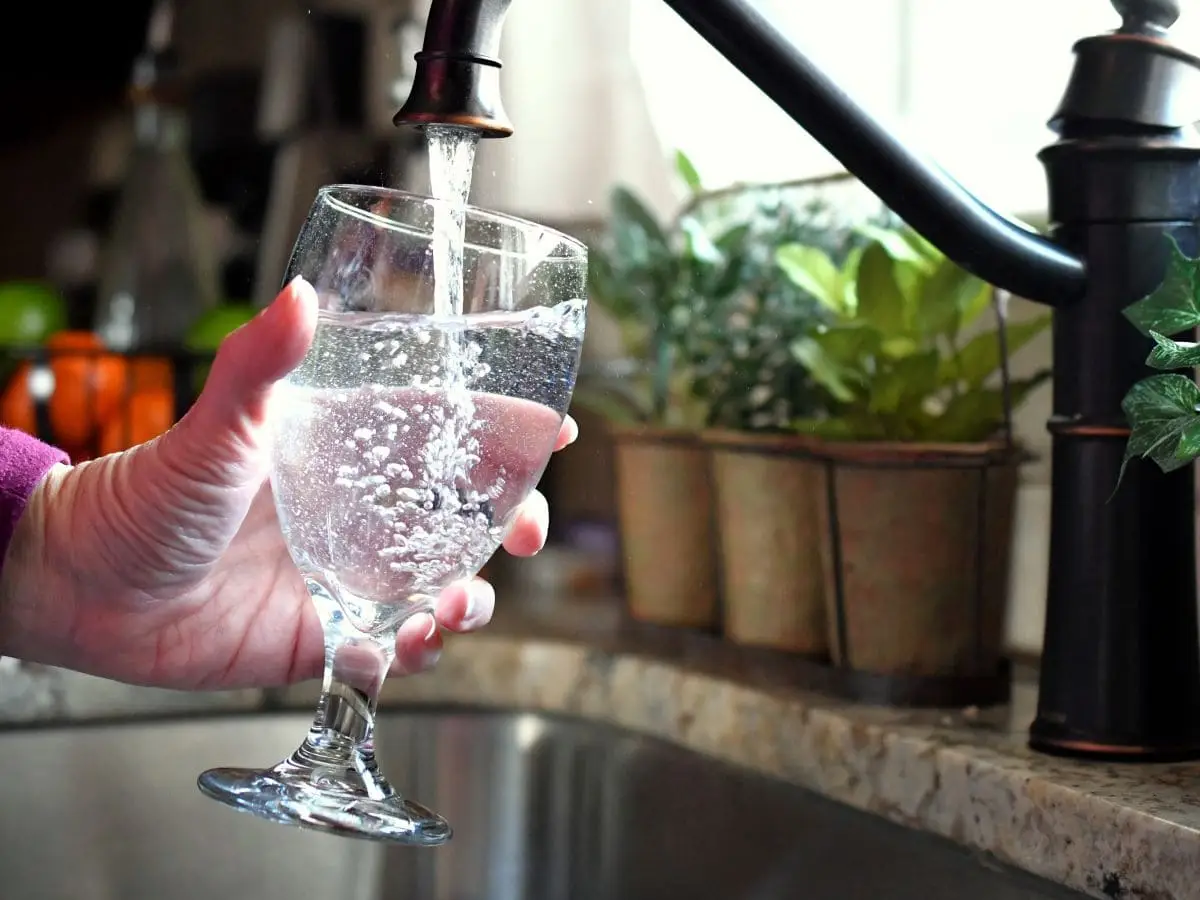
Guaranteeing safety and quality is, after all, the first step to promoting the consumption of tap water as a simple, tangible act that can improve the world we live in. Mains water is a valuable, safe, and sustainable resource, yet its use as drinking water in Italy is still hindered by persistent misconceptions. Among the most common are the conviction that it contains too much limescale or that it isn't as safe as bottled water.
The outcome is a cultural paradox: according to Utilitalia, with 208 litres per capita per year, Italy is the largest consumer of bottled water in Europe and the second in the world. "It's a contradiction we aim to address by fostering trust, awareness, and transparency, because drinking tap water is not only safe – it is a tangible act of sustainability," says Salinetti. "An example of our commitment is the awareness campaign Source to Tap: Drinking Water in Everyday Life ('Dalla sorgente al rubinetto. L’acqua potabile nella vita quotidiana'), undertaken in 2024 alongside consumer association Altroconsumo. This practical guide is intended to promote tap water as a safe, reliable source while encouraging sustainable behaviours that protect this vital resource. A genuine handbook to help consumers find out more about the water cycle, daily quality checks, and how to read labels correctly."
In addition to safety, there are plenty of good reasons for choosing tap water. It is always available, extremely cheap (just over 1 euro per 1,000 litres in the Metropolitan City of Milan), reduces plastic waste, and contributes to cutting transport-related emissions. Just consider the fact that, according to the international organisation Reloop Platform, in 2022, 30 million plastic bottles of water were consumed daily in Italy – that's 13.5 billion per year – 80% of which was shipped by road, with clear environmental impacts. Not to mention that less than half of those bottles were ultimately recycled.
This content is produced thanks to the support of sponsors
Cover: photo by Envato