


MAIRE announced that NEXTCHEM has launched its first Sustainability-Linked Financing Framework, a strategic move designed to anchor financial activities to measurable sustainability targets. The “Framework”, approved by NEXTCHEM’s Board of Directors, aims to scale both existing and future sustainable finance instruments, including the €125 million credit facility backed by SACE’s “Garanzia Archimede”. The credit line is dedicated to technological innovation and research supporting the transition to low-carbon energy systems in a market increasingly shaped by policy pressure and emissions-reduction mandates.
Developed in line with the Sustainability-Linked Bond Principles of the International Capital Market Association and the Sustainability-Linked Loan Principles issued by the Loan Market Association, the Framework provides a structured approach to linking capital allocation with environmental performance. Morningstar Sustainalytics has issued a Second Party Opinion validating its robustness and alignment with international best practice, reinforcing its credibility for investors and stakeholders.
Quantifying impact: KPIs to curb emissions and drive innovation
The Framework introduces two Key Performance Indicators that reflect NEXTCHEM’s dual role in reducing emissions across the value chain and supporting clients’ decarbonisation through advanced technologies. The first indicator focuses on Scope 3 emissions, targeting supplier engagement through science-based commitments. By 2028 the company aims to ensure that 30 percent of suppliers of goods and services, measured by emissions, adopt science-based targets, up from a baseline of 0 percent recorded in 2024. This objective positions NEXTCHEM within the broader shift in European industry, where Scope 3 categories often account for more than 70 percent of corporate carbon footprints.
The second indicator measures avoided emissions generated by NEXTCHEM’s technologies and products. The company plans to reach 4.46 million tonnes of cumulative avoided CO₂ by 2028, compared with a 2024 baseline of 0.7 million tonnes. This sixfold increase in impact reflects the growing demand for industrial solutions capable of reducing lifecycle emissions in sectors such as chemicals, fuels and advanced materials.
NEXTCHEM will report annually on its progress, with independent verification ensuring data transparency and accountability. This monitoring requirement reflects a broader market trend: in 2023, sustainability-linked instruments represented nearly 10 percent of global sustainable debt issuance, driven by investor appetite for measurable, comparable performance metrics.
Financial strategy aligned with long-term decarbonisation
The Framework has been structured with the support of Intesa Sanpaolo – IMI Corporate & Investment Banking, acting as Sustainability Coordinator. By integrating sustainability performance into financing mechanisms, NEXTCHEM positions itself among a growing number of European industrial groups adopting forward-looking, data-driven approaches to capital allocation.
In presenting the initiative, Fabio Fritelli, Managing Director of NEXTCHEM, stated: “With the launch of its first Sustainability-Linked Financing Framework, NEXTCHEM reaffirms its strategic commitment to accelerating the energy transition by integrating ambitious and measurable sustainability objectives into its financial management. This initiative reflects the Group's determination to align capital allocation with environmental responsibility, promoting innovation and long-term value creation for stakeholders”.
The company’s strategy mirrors a wider European shift toward sustainable finance as a cornerstone of climate transition efforts. With the EU forecasting €520 billion per year in additional investments needed to reach 2030 climate targets, frameworks such as NEXTCHEM’s represent key mechanisms to mobilise private capital while providing clear, auditable pathways to emissions reduction.
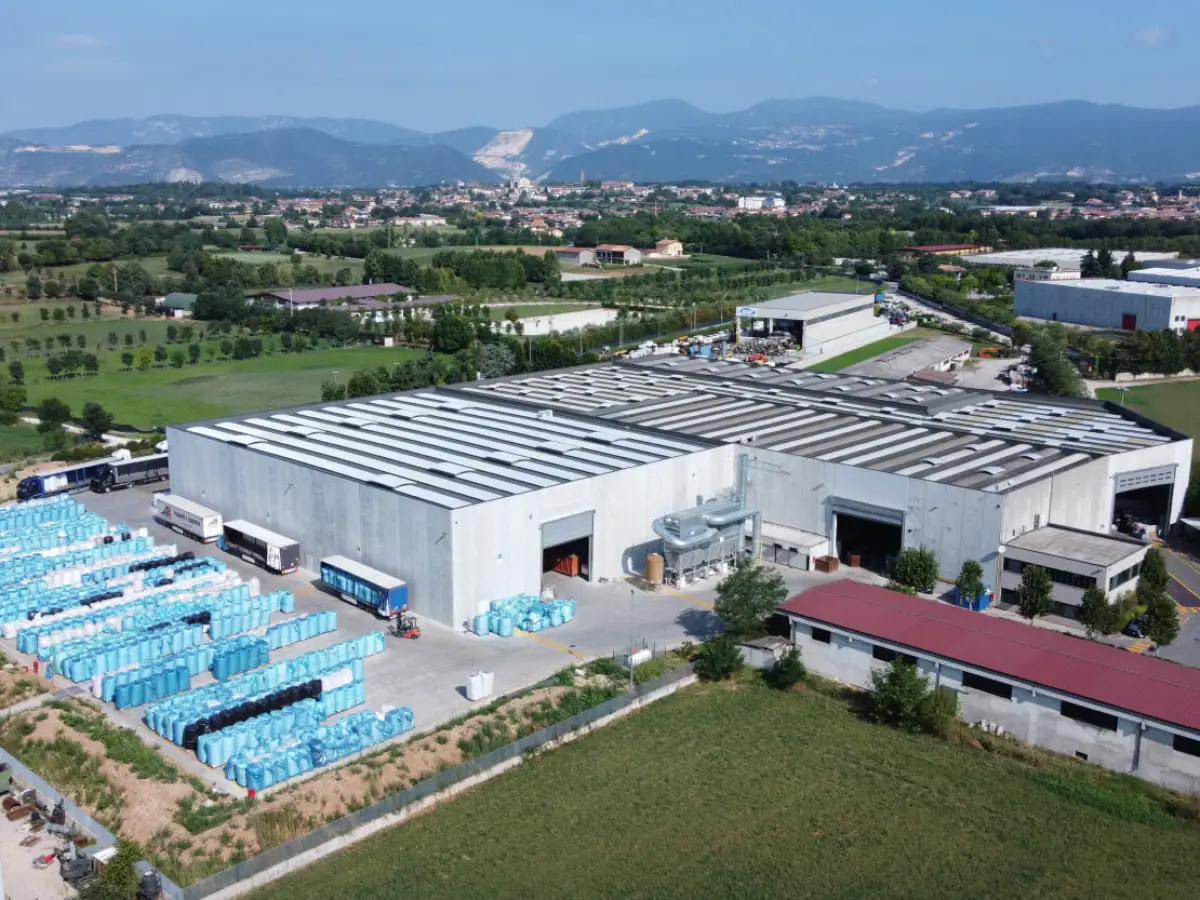
Cover: photo by Nextchem