


Biodiversity is not just about agriculture, fishing or forests. It affects every business, even ones that don't realise it. This is one of the clearest messages from the new Business and Biodiversity Assessment by IPBES, a report seeking to place nature at the heart of industrial strategies. We spoke to Massimo Labra, biologist and scientific director of the National Biodiversity Future Centre, to understand why the business world should not ignore this report.
“The report makes it clear: biodiversity is now a systemic risk for the global economy and therefore also for the Italian economy. Taking action means reducing risks even in sectors not directly affected, and the report's data clearly demonstrates this,” Labra begins. “This report should be making headlines in all newspapers, as it is of great political and civil importance. Biodiversity ensures that our children can have a prosperous future.”
The study discusses environmentally harmful subsidies, biodiversity protection and negative impacts. But there is also an opportunistic side to nature conservation. “For years, we have only thought in terms of negative impact,” explains the scientist. “How much I pollute, how much I consume, how much I destroy. But we have rarely asked ourselves what value biodiversity produces for a business.” This is where, in his opinion, the fundamental misunderstanding lies: biodiversity is not only a limitation, it is a source of opportunity. “We are not just discussing direct dependencies, such as the depletion of a natural resource. We need to think in terms of services and innovation: new production processes, bio-inspiration, biomaterials, and alternative supply chains. Biodiversity is a treasure trove of possibilities, but we need a long-term vision.”
If it is clear that biodiversity loss threatens economic and financial stability, then why is this awareness struggling to gain traction in the business world and in government decision-making? “There is a huge cultural issue,” replies Labra. “We take for granted that resources are infinite. It’s the same mechanism we’ve seen for decades with fossil fuels. What’s more, biodiversity is still treated as a ‘soft’ issue, a matter for CSR or sustainable communication. Until that changes, it will never become a strategic lever.”
Yet something is changing. “Some sectors are starting to understand that biodiversity can generate economic value,” he notes. “Take photovoltaics, for example: more and more plants are being designed to increase local biodiversity, producing environmental and economic co-benefits in terms of both natural services and biodiversity credits. But to get there, we need a clear economic vision, not just a narrative.”
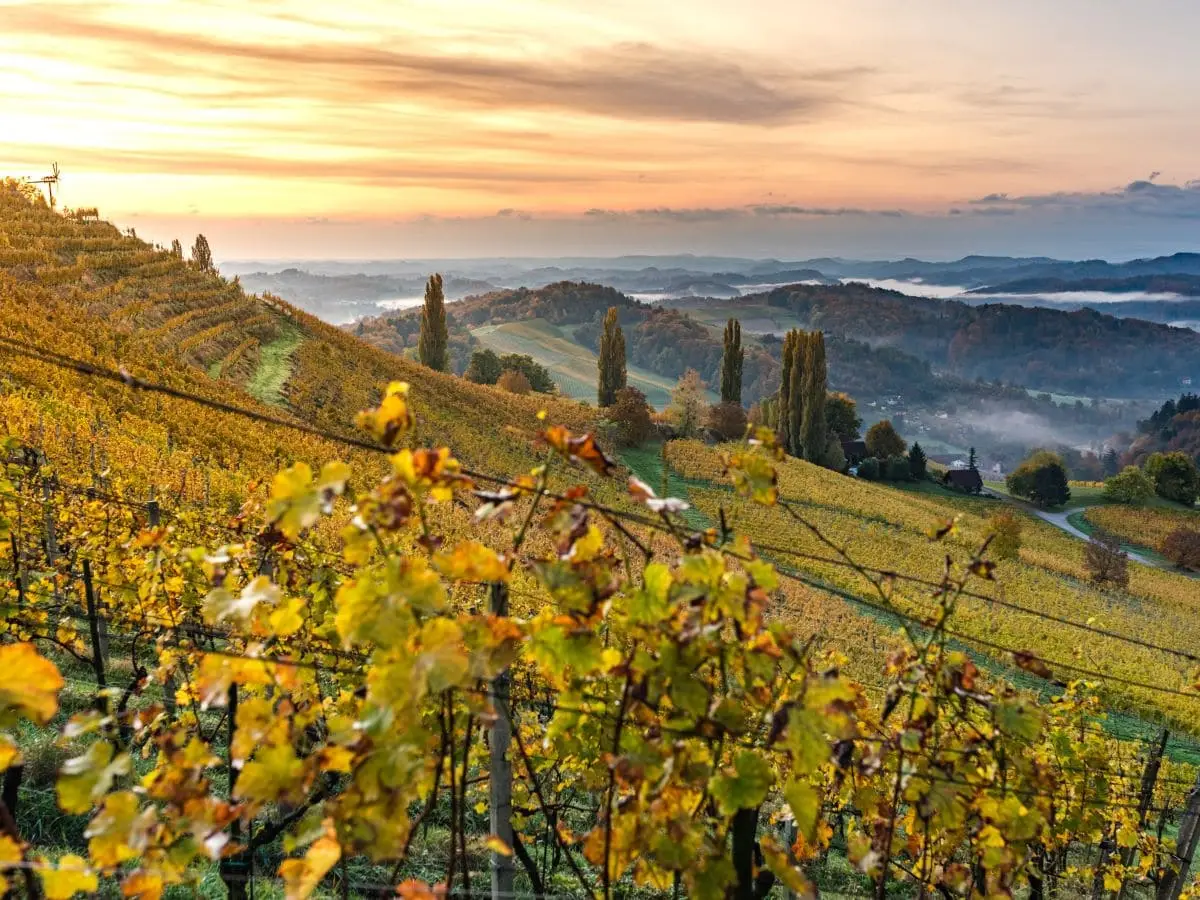
Biodiversity is deeply local. Which territories and sectors are most vulnerable at the regional level? “Islands are most at risk,” explains Labra. “They have a very high percentage of endemism: species that exist only there. If you lose them, you lose them forever. This is also true for many mountainous areas, where climate change is altering pastures, dairy production and ecosystem balance. Paradoxically, plains are more resilient but not immune. Among crops, wine is the most at risk: simply modifying the podological profile of the microbiota is enough to alter the style and taste of a product.” Then there are the seas.
“Fishing is one of the most vulnerable sectors. In fact, the real problem lies in marginal areas and quality production, where biodiversity and economic value coincide. They are, indeed, the foundation of much of Italy's food industry.” But the agri-food sector is not the only one that is extremely vulnerable in Italy. “There are also pharmaceuticals, cosmetics and nutraceuticals: many more sectors are involved than one might think. It is enough to remember that 25-35% of pharmaceuticals derive from the study of nature,” Labra points out. “And Italy is the European leader in medical devices and secondary metabolites. Food, cosmetics, wellness, wine: everything we now define as ‘quality of life’ has a biological basis.”
One of the most controversial points in the report is the concept of nature-positive. While many companies believe they are acting positively, they are actually only reducing damage. “In recent years, we have seen a rush of unrelated initiatives,” says Labra. “Beehives here, planting there, educational projects without a strategy. There was no cohesive plan: one that started with the real pressures on biodiversity. Reducing agrochemicals is important, but not enough. We need a comprehensive approach to safeguarding the land where we operate. ‘Safeguarding’ is a key word. An agricultural business that has been working the land for fifty years is not just a producer: it is a guardian. The real question should be: how can I ensure that this soil will still be fertile in twenty years’ time? The answer is not to plant a hundred trees elsewhere, but to change the production model on our own land today.”
And the financial world? “There is growing interest,” confirms Labra. “Especially in biodiversity credits. We can learn from the mistakes of the carbon market and create a solid market for biodiversity credits.” Italy is taking its first steps: the first trading platforms employing blockchain experiments are about to be launched, with leading players such as MASE, ISPRA, Accredia and the NBCF itself involved. “We are in the research phase, but the opportunities are enormous.”
So, what is the final message of the IPBES report for Italy? “We are the country of biodiversity,” concludes Labra. “We should make it our real competitive asset. We cannot compete on quantity, but on quality, on the identity of our territories, and on the authenticity of our biomes. Biodiversity must move beyond green marketing and enter industrial development. It is not a cost. It is value.”
Cover: photo Envato