

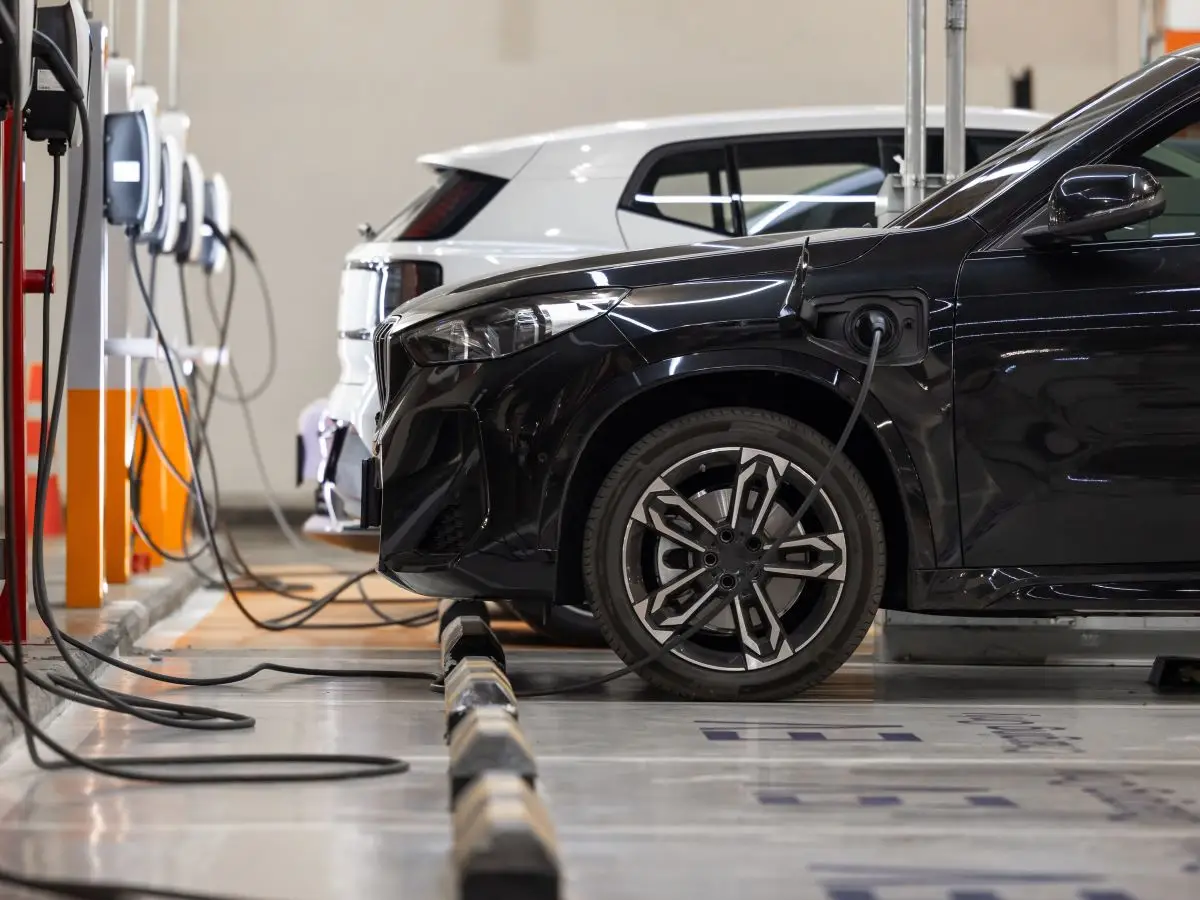

Europe’s transition toward low-carbon mobility is gaining momentum with a new €600 million financing agreement between Leasys and the European Investment Bank. The two partners will contribute equally to support the Pan-European Clean Fleet Transport project, aimed at deploying a fleet of 24,000 zero-emission vehicles across 10 European countries, including Italy, France, Germany, Spain and Portugal. The initiative combines a €300 million credit envelope granted by the EIB with an equivalent €300 million co-investment from Leasys, the joint venture between Stellantis and Crédit Agricole Personal Finance & Mobility.
The project targets one of the most emissions-intensive sectors of the European economy. Road transport accounts for roughly one quarter of the EU’s total greenhouse gas emissions, with passenger cars representing the largest share. In this context, accelerating the electrification of vehicle fleets is considered a key lever to meet the EU’s climate targets, including a 55% reduction in emissions by 2030 compared to 1990 levels and climate neutrality by 2050.
Environmental performance and market impact
According to the partners, the new zero-emission fleet will deliver environmental performance substantially above current market averages. The deployment of 24,000 electric vehicles is expected to significantly cut tailpipe emissions, improve air quality and reduce noise pollution in urban areas, where transport-related externalities weigh most heavily on public health and quality of life. While the precise emissions savings will depend on national electricity mixes, electric vehicles already emit between 50% and 70% less CO₂ over their lifecycle compared to internal combustion engine cars in most EU countries.
Beyond direct environmental benefits, the initiative is designed to support the growth of Europe’s clean-mobility value chain. By expanding Leasys’ electric vehicle offering for both corporate and private customers, the project aims to foster wider market adoption of EVs, stimulate demand for charging infrastructure and encourage innovation along the automotive and energy supply chains. Fleet operators, which manage large numbers of vehicles and renew them frequently, play a strategic role in speeding up the diffusion of new technologies and reducing costs through economies of scale.
The agreement also marks the first structured collaboration between Leasys and the EIB, strengthening the company’s long-term strategy to accelerate the transition to cleaner mobility solutions. As Andrea Bandinelli, CEO of Leasys, stated: “We are proud to strengthen our collaboration with the EIB through an agreement that accelerates the deployment of a modern, competitive and fully electric fleet across Europe. This financing enables us to respond more effectively to the growing demand for zero-emission mobility from businesses and private drivers across our markets.”
The role of public finance in the climate transition
For the European Investment Bank, the project aligns closely with its role as the EU’s climate bank. In 2024 alone, the EIB Group signed nearly €89 billion in new financing for over 900 projects, with almost 60% of its annual funding dedicated to climate action, environmental protection and adaptation. All EIB-financed projects are aligned with the Paris Climate Agreement, and approximately half of the Bank’s lending within the EU is directed toward cohesion regions, supporting more balanced economic development.
“Supporting clean transport is central to the EIB’s climate goals. Rental and leasing companies, which manage millions of vehicles and regularly refresh their fleets, are uniquely positioned to drive the electrification of Europe’s vehicle fleet. Supporting companies like Leasys is a good way to accompany Europe’s transition to a low-carbon economy”, said EIB Vice-President Ambroise Fayolle.
In a phase marked by high investment needs and technological transformation, the Leasys–EIB partnership illustrates how public and private capital can be combined to scale up sustainable mobility solutions. By translating climate objectives into concrete infrastructure and vehicle deployment, the Pan-European Clean Fleet Transport project contributes to making Europe’s transport system cleaner, quieter and more resilient, while supporting industrial competitiveness and innovation across the continent.
Cover: Envato image