


Brussels – On 26 March 2026, the European Chemicals Agency (ECHA) confirmed that its two scientific committees support the introduction of an EU-wide restriction on the manufacture, marketing and use of per- and polyfluoroalkyl substances (PFAS), with targeted exemptions and stricter controls. The Agency’s conclusions are not yet final, but this represents a crucial step in managing one of the most harmful and persistent groups of pollutants.
This decision is part of a process initiated in January 2023 by a group of Member States – the Netherlands, Germany, Denmark, Norway and Sweden – which submitted a restriction proposal to ECHA aimed at reducing PFAS emissions and making industrial products and processes safer. Once the final assessments have been adopted, the European Commission will draft a restriction proposal to be submitted for review and a vote by the REACH Committee, comprised of representatives from the Member States. The REACH Regulation is the main European regulatory framework for the registration, evaluation and authorisation of chemicals.
PFAS: an increasing, persistent, and global risk
In its final opinion, the Committee for Risk Assessment (RAC) has left no room for doubt: PFAS pose a growing threat to human health and the environment. Extremely persistent, they accumulate in soil and groundwater, travel long distances and linger in the environment for generations. Some are associated with cancer and reproductive health problems. According to the RAC, the measures currently in place are no longer sufficient to limit emissions.
Without new regulatory action, PFAS pollution could cost European society up to €440 billion by 2050. This was already highlighted in a study published by the European Commission on 29 January, which quantified the economic impact of these so-called “forever chemicals”.
Roberto Scazzola, chairperson of RAC, is clear: “The final RAC opinion and scientific evidence is clear that PFAS can cause risks to people and the environment if not properly controlled. An EU-wide restriction is, therefore, an effective measure to reduce these risks. If derogations are allowed, RAC recommends measures to minimise PFAS emissions.”
The committee also points to a range of corrective measures, from specific management plans on production sites to emissions monitoring, including reporting requirements throughout the supply chain and transparent labelling regarding consumption and disposal.
“ECHA has laid out a clear path for us: over the next 30 years, we can reduce PFAS emissions and contamination by 97% by implementing drastic measures to mitigate the risks European citizens are already facing in terms of mortality and morbidity,” explained Cristina Guarda, Greens/EFA MEP, in a statement. “The lack of political will to invest in research to find alternatives and the unwillingness of some companies to phase out PFAS cannot lead us towards destructive choices. ECHA is called upon to demand the utmost by fairly comparing the economic costs we face today with the costs – both health and economic – we would face tomorrow if we were to continue emitting PFAS.”
Striking a balance between the environment and industry: the consultation process begins
Alongside the environmental urgency, ECHA’s second committee, the Committee for Socio-economic Analysis (SEAC), brings in the economic variable. In its draft opinion, the SEAC acknowledges that PFAS are widely used across numerous sectors, from medical equipment to industrial coatings, and that uncoordinated action would risk causing distortions in the European internal market. Therefore, the committee proposes a calibrated approach, with targeted exemptions in cases where viable alternatives do not yet exist or where an immediate ban would entail disproportionate socio-economic costs.
As Maria Ottati, Chairperson of SEAC, puts it: “The SEAC draft opinion supports a broad restriction on PFAS, while recognising the need for targeted derogations to keep the measure proportionate and workable. This balanced approach will reduce PFAS emissions while allowing certain uses to continue where an immediate ban would, on balance, lead to more negative than positive impacts.” A delicate balance, seeking to reconcile environmental protection with industrial resilience, today represents a key challenge for Europe’s green transition.
The phasing out of PFAS may drive innovation towards alternative materials, accelerating the transition to a more circular and less toxic chemical industry. However, it would also require profound changes to value chains and industrial standards. For this reason, a 60-day public consultation on SEAC’s preliminary opinion opened on 26 March and will run until 25 May. ECHA invites businesses, associations, researchers and members of the public to contribute documented evidence in accordance with the guidelines and the mapping of PFAS applications made available online. The comments received will be taken into account in the final opinion, expected by the end of 2026.
According to Christine Hermann, Head of Chemicals Policy at the European Environment Agency, “The publication of the (draft) opinions of ECHA's expert committees – which support a restriction – is an important milestone that, once finalised, must be followed by an ambitious proposal from the Commission for a comprehensive restriction on PFAS.”
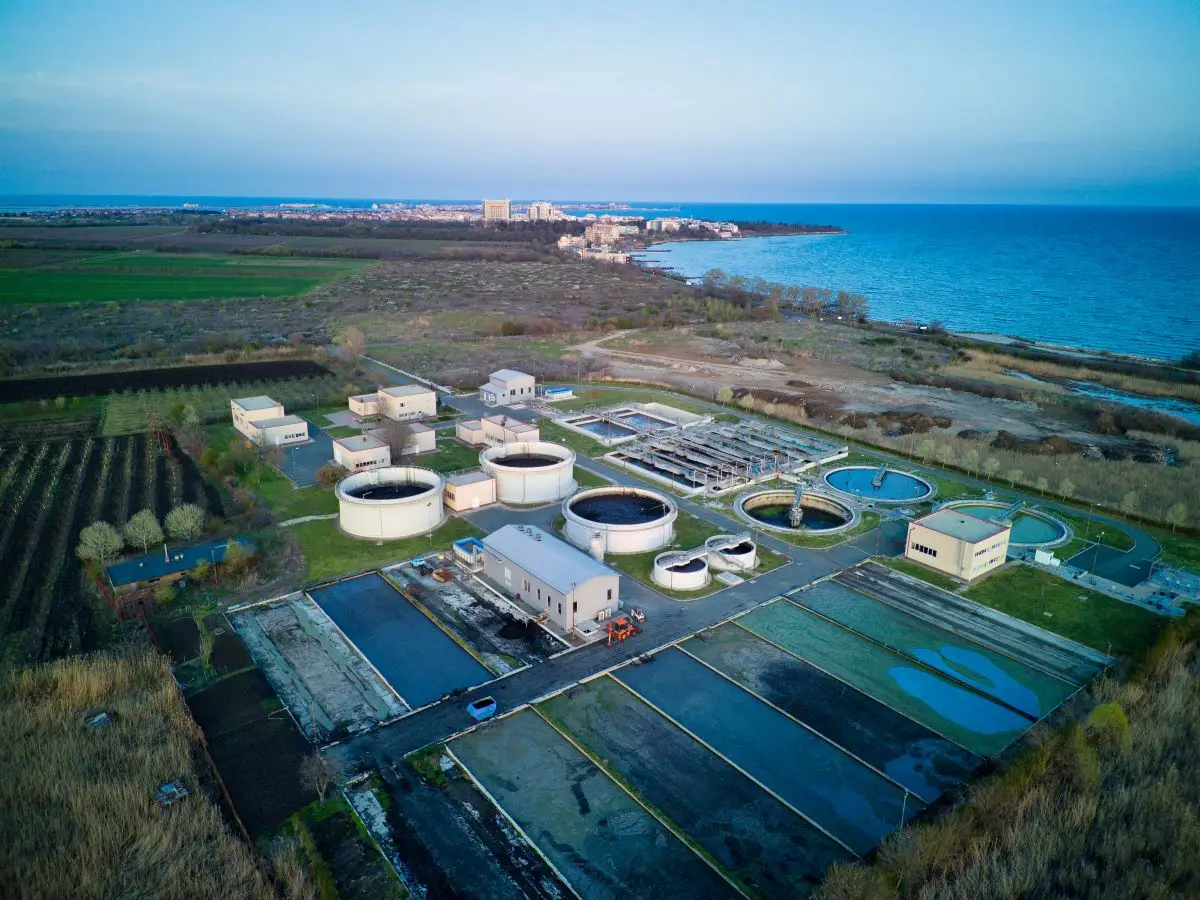
Cover: Oil storage among fields and meadows near the Black Sea coast in Bulgaria, photo by Youra Pechkin, Envato