


On 5 June 2026, governments, institutions, businesses and civil society organisations worldwide will mark World Environment Day, one of the United Nations’ most important environmental awareness initiatives. Established by the UN General Assembly in 1972 following the landmark Stockholm Conference on the Human Environment, the annual observance was created to strengthen global awareness of environmental challenges and encourage concrete action to protect natural ecosystems.
More than five decades later, the relevance of the initiative continues to grow. Climate change, biodiversity loss, pollution and the depletion of natural resources are increasingly recognised not only as environmental issues but also as major economic and social risks. According to the United Nations, environmental degradation directly affects fundamental human rights, including access to clean water, food security, health and adequate living conditions.
The 2026 edition arrives at a particularly critical moment. Global temperatures have repeatedly approached or exceeded the 1.5°C threshold identified by climate scientists as a key limit for avoiding the most severe impacts of global warming. Rising sea levels, prolonged droughts, devastating wildfires and more frequent extreme weather events are becoming visible indicators of a rapidly changing climate.
Climate Change at the Centre of the 2026 Agenda
This year’s campaign places climate change at the heart of the international conversation. Through the message “#NowForClimate”, the United Nations Environment Programme (UNEP) is calling for immediate action to accelerate the transition toward low-carbon and climate-resilient societies.
The campaign highlights a growing contrast between the urgency of environmental signals and the expanding portfolio of available solutions. Renewable energy technologies continue to scale rapidly worldwide. Solar and wind power installations are reaching record levels, while cities are increasingly investing in sustainable mobility, energy-efficient buildings and nature-based solutions.
The United Nations emphasises that the planet is already sending unmistakable warning signs through rising temperatures, shrinking glaciers and increasing climate-related disasters. At the same time, positive signals are emerging from communities and industries that are adopting cleaner technologies and more sustainable development models.
The global observance of World Environment Day 2026 will be hosted by Azerbaijan, while hundreds of events, educational programmes, public campaigns and environmental initiatives will take place across continents. Activities are expected to involve schools, local authorities, businesses and citizens, creating a broad platform for public engagement.
Ecosystem Restoration and Sustainable Development
World Environment Day also reinforces broader international commitments to ecosystem protection and restoration. UNESCO Director-General Audrey Azoulay has highlighted the importance of the United Nations Decade on Ecosystem Restoration, launched in 2021 and jointly led by UNEP and the Food and Agriculture Organization (FAO).
The initiative aims to reverse ecosystem degradation through large-scale restoration projects and stronger environmental governance. UNESCO’s network of Biosphere Reserves, developed over the past 50 years, continues to serve as a global laboratory for balancing conservation, sustainable development and human well-being
As environmental pressures intensify, the United Nations continues to stress that protecting nature is not solely an ecological objective. It is a prerequisite for sustainable economic growth, social equity and long-term resilience. World Environment Day 2026 therefore serves as both a reminder of the challenges ahead and a call for coordinated international action capable of transforming environmental commitments into measurable results.
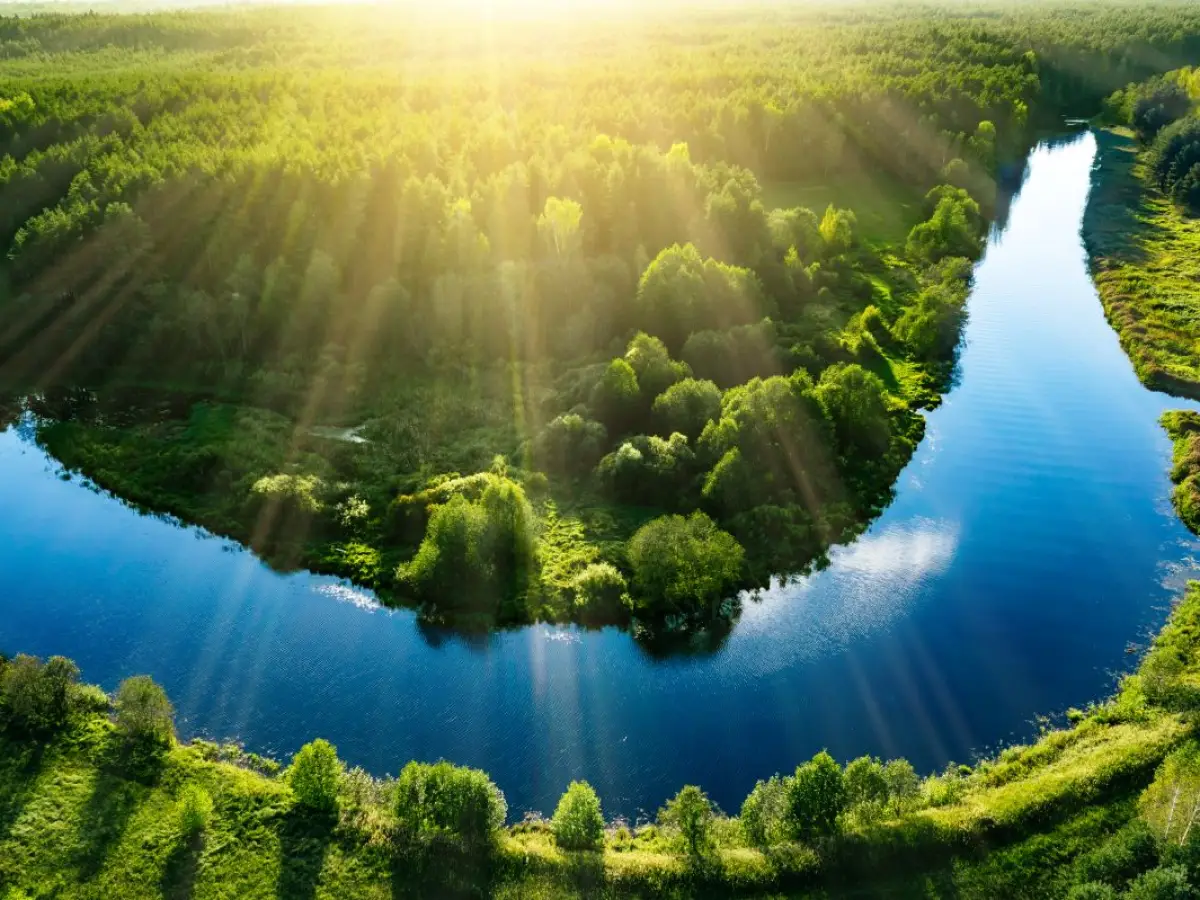
Cover: photo by Envato