


Back in the day, when you wanted to glimpse into the future, you’d head to San Francisco or Las Vegas. Today, you travel to Shanghai, Hong Kong, Chengdu or Hangzhou. Robotics, AI, renewable energy, electric cars, drones, food production and the capacity to process critical raw materials: the “new quality productive forces”, as President Xi Jinping defines them, along with the growth in domestic consumption and the increasing financialisation of the economy, are the driving force behind the Chinese economy’s potential to overtake the US economy by the end of the decade. Despite the likely global recession, China’s GDP is set to grow by over 4.5% in 2026 (according to Bloomberg), fuelled by strategic oil reserves, the rapid expansion of electrification, the growth of high-tech manufacturing and an expanding trade surplus (thanks to its dominance in critical raw material supply chains). A takeover that Beijing has been preparing for over twenty years, first with the trade opening of Jiang Zemin’s “Go Out Policy”, then with the Belt and Road Initiative launched by Xi.
Of course, there is no shortage of structural problems in domestic demand: consumption remains low, the property sector is in crisis, the population is ageing and unemployment is high. Hui Shan, Chief China Economist at Goldman Sachs, believes that “although Chinese exporters have successfully diversified into non-US markets, it will take years, if not decades, to build an economy driven by consumption and services”. In diplomatic terms, Beijing is turning its attention to the Global South and Europe, working steadily to replace the United States as a diplomatic giant and pillar of the United Nations. China currently contributes around 20% of the UN budget and will become the largest contributor to the UN this year, strengthening its position in numerous agencies and using all its influence in the selection of the new Secretary-General, with the growing support from emerging nations.
Therefore, to start exploring the Chinese Century (中国世纪, Zhōngguó shìjì), Renewable Matter has devoted an entire issue of the magazine to the topic, paying particular attention to the ecological transition and seeking to offer a non-Eurocentric perspective on economic developments in the Middle Kingdom. Working on this special issue was no easy task, considering how difficult it can be to gain access to Chinese politics and businesses within China, but thanks to a number of important international partnerships, we have managed to document the country’s transformation into an electricity superpower, with the boom in renewables, the EV market, the circular economy and the impact of AI. By the time you read these pages, we will likely be on our way to Shanghai, where we will be showcasing this issue at a series of events in which we are participating and playing a leading role. For this digital and online publication, China is increasingly set to occupy a prominent position, both in terms of content and as a potential community of readers, to build bridges with Europe, driven by the shared goal of supporting the economic transition towards harmony and the creation of a community with a shared future for humanity (人类命命运共共同体 – Rénlèi mìngyùn gòngtóngtǐ).
DOWLOAD AND READ ISSUE #62 OF RENEWABLE MATTER: CHINA
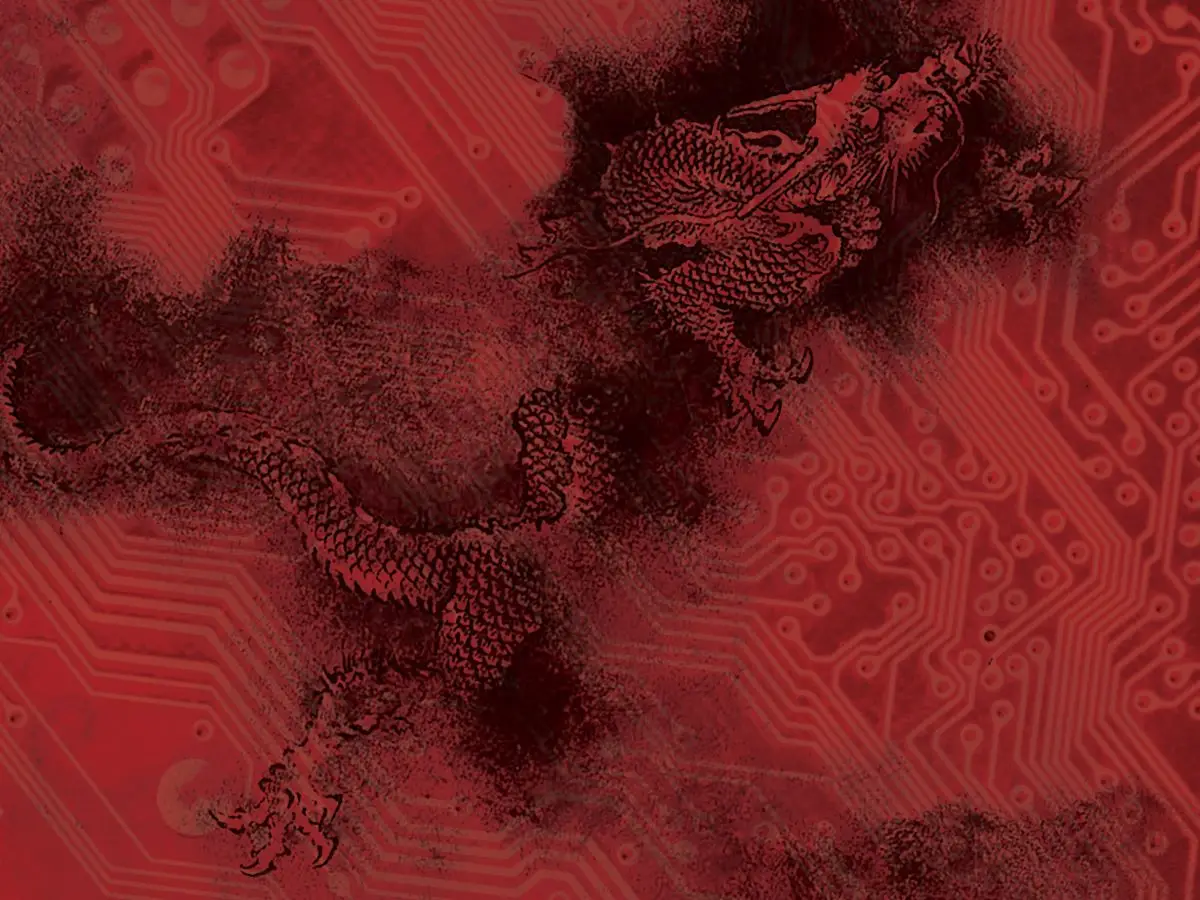
Cover: Graphic adaptation by Margherita Gallon, based on Chen Rong’s illustration The Nine Dragons (Jiŭlóngtú, 九龙图), painted in 1244 during the Song Dynasty