

This article is part of the thematic channel The Carbon Observer: subscribe to the newsletter
Mundys, a leading Italian holding company managing airports and motorways primarily in Europe, North America, and South America – whose international growth and transformation have been driven by Alessandro Benetton’s strategic vision – is facing a crucial challenge. Given the significant emissions inherent in its assets, the group has invested hundreds of millions in decarbonisation projects, aiming for net-zero Scope 1 and 2 emissions by 2040.
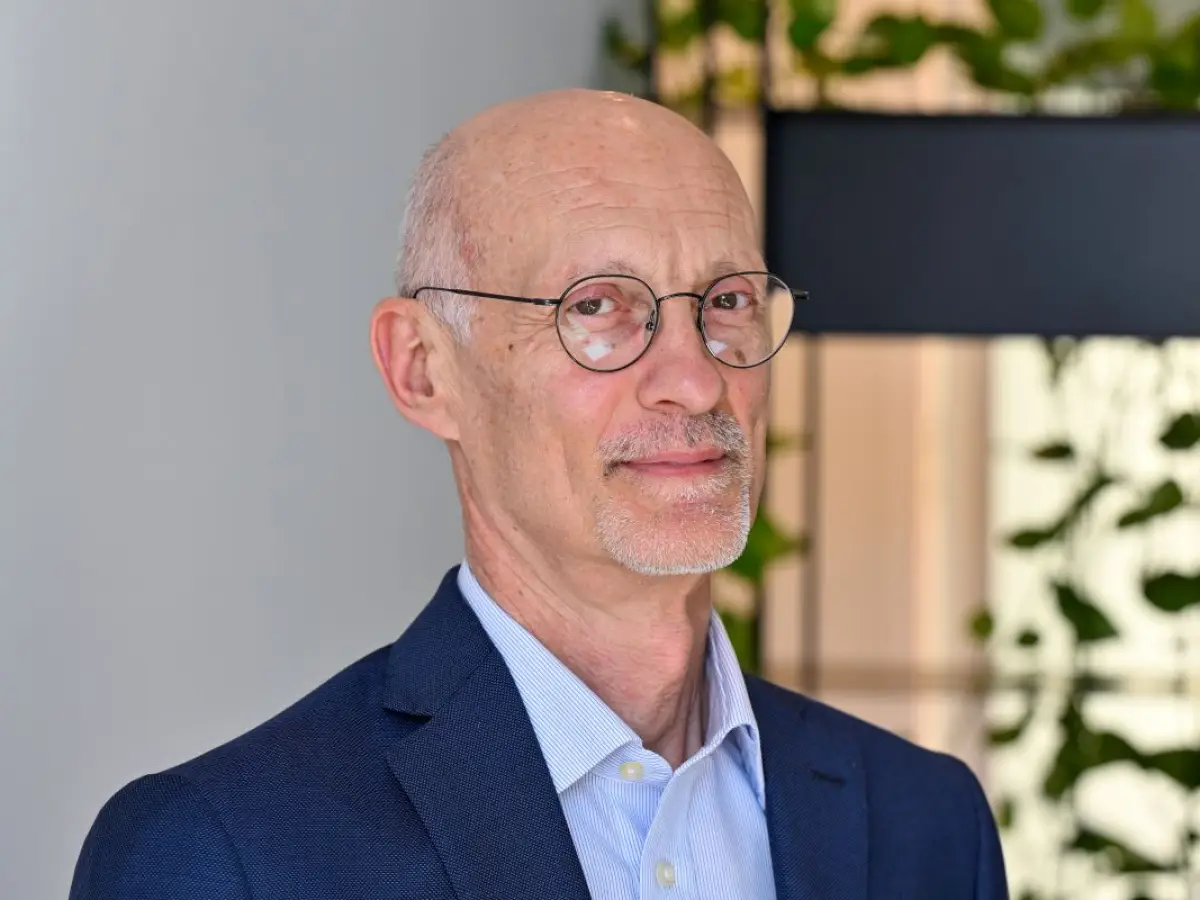
To reduce residual Scope 3 emissions, particularly from aviation, where technological solutions remain limited, the group created Neya, a wholly owned benefit corporation specialising in high-integrity carbon removal credits. We discuss this with Ruggero Poli, CEO of Neya and Director of Energy Transition & Decarbonization at Mundys. With extensive international experience in energy, infrastructure, and transport, Poli leads the Group’s transition strategies and has worked globally as an IATA consultant on airport planning projects.
How was Neya born, and what was Mundys' rationale behind creating a company dedicated to carbon removal?
Neya was born from a very concrete realisation: we manage airports and road infrastructure, which means we have significant Scope 1, 2, and 3 emissions. We have actively invested in decarbonisation projects to streamline Scope 1 and 2 emissions, with a net-zero target by 2040. Scope 3, however, is a different story: by definition, it’s outside our direct control. The main challenge remains aviation. We have participated in working groups with the World Economic Forum to analyse potential decarbonisation pathways for air transport. In recent years, a great deal of attention has focused on solutions like SAF (Sustainable Aviation Fuel), hydrogen, and electrification, which are important tools for the transition. However, technological and industrial developments show that their large-scale adoption will take longer than expected. Hydrogen-powered aircraft still face significant technological and regulatory hurdles, while electric planes currently appear more suitable for short-haul flights with limited capacity. SAF can also make a significant contribution, but it must contend with challenges related to cost and feedstock availability. For this reason, decarbonising the aviation sector over the next 15 to 20 years will continue to be a complex challenge that requires a combination of complementary solutions. At that point, we couldn't just sit back and wait. We wanted to play an active role in decarbonisation, taking a more proactive approach than what we’ve predominantly seen in Europe in recent years. To put it simply, that approach has been: let's decarbonise everything, regardless of technological feasibility or cost, essentially forgetting that removing carbon from the atmosphere is also an option. We established Neya as a benefit corporation precisely because it is in our nature to strive for a positive impact, and not just on the environment, but also on biodiversity and local communities.
What are Neya's three investment pillars?
Carbon removal is our core activity. However, in every project, it must be accompanied by two elements: a positive impact on biodiversity and a positive impact on the local community. These are our three inseparable pillars. Neya's objective is to meet the carbon removal needs of Mundys' net-zero plan, ensuring progressive coverage of residual emissions in steadily increasing volumes starting from 2030, until achieving full coverage by 2050 and beyond, using high-quality credits developed internally. With the launch of the new European CRCF framework, which introduces common standards for carbon removal certification, a potentially much larger market is opening up. Because of this, we will also evaluate expanding our scope of activity over time.
Nature-based removal, technological removal, or both? What is Neya's positioning regarding credit types?
Over the last three years, we have scouted hundreds of technological carbon removal startups. We have also identified a couple of very interesting companies that we could potentially run tests with in the future. However, being pragmatic and having significant volumes to cover, nature is the actor that has been doing this for millions of years, and doing it very well. Therefore, we decided to start with nature-based solutions, diversifying across four types: reforestation, blue carbon (primarily through mangroves), regenerative agriculture, and wetlands restoration. Each brings different complexities, and having a diversified portfolio across all four reduces overall risk. To this, we add geographical diversification: North America, South America, Europe, and Africa.
Where are you concretely investing right now? Do you already have operational projects?
Yes. We have launched a mangrove project in Madagascar: the first 500 hectares are nearly completed, and it is progressing very well. We are evaluating increasing the investment and the scale of the project. In parallel, we have started a reforestation project in Valdivia, Chile. We are also assessing a large-scale regenerative agriculture project.
The difference between these types of solutions is also important in terms of credit timing: reforestation and mangrove projects begin to generate certified credits in steadily increasing quantities after five to ten years. Regenerative agriculture, on the other hand, generates significant quantities immediately, but for a more limited period of time. Combining these different approaches ensures the flexibility needed to build a credit portfolio that is available exactly when you need it.
How does Neya's governance work in relation to Mundys? Do you have operational autonomy?
Neya is a wholly owned subsidiary of Mundys and operates in close coordination with the parent company. Projects are jointly evaluated and approved, and procurement activities are also developed together with Mundys. The company is part of a broader sustainability framework – a strategic direction outlined by Alessandro Benetton since the inception of Mundys – under the leadership of CEO Andrea Mangoni, with the goal of making a tangible contribution to the group's climate commitments. With this in mind, we are defining targets consistent with the new SBTi protocol, ensuring that carbon credit production is aligned with Mundys' requirements and Net Zero pathway.
The voluntary market has gone through years of ups and downs, scandals, and criticism. How do you view the current situation, and what is your positioning on quality and integrity?
The market's characteristics are typical of innovative industries: the early years and decades are inevitably subject to ups and downs. Quality was not the primary driver of carbon credits in the market's more distant history. But at a certain point, two years ago, there was a turning point: the profound difference between carbon avoidance and carbon removal became clear. Avoidance is highly controversial, particularly regarding project additionality. Certified removal, on the other hand, is different: you are truly removing a tonne of CO2 from the atmosphere – it is a measurable fact. We only produce credits that are eligible under high-integrity standards, and we currently use ICVCM. The rejection rate for the projects we analyse is well over 90-95%. We have reviewed hundreds and hundreds of them: finding quality projects is still not easy. We have equipped ourselves with internal resources possessing deep expertise, and before signing any contract, we have a final due diligence carried out by international expert consultants who have worked for leading operators like Microsoft.
How do you view the European CRCF (Carbon Removal Certification Framework) from Neya's perspective?
We view it very positively. If you look back at how it was perceived in 2022, it was considered a marginal issue. Then, in 2024, there was an initial breakthrough; in 2025, it was approved; and in February 2026, the first methodologies were already adopted. Methodologies for nature-based solutions will likely follow in 2027. This acceleration is driven by geopolitical factors: Europe is realising that resources are limited. Decarbonising at 700 euros per tonne, as is the case with SAF (which, moreover, is available in limited quantities), is no longer a sustainable position when nature-based technologies cost 20-30 euros and tech-based solutions cost 200-300 euros. The two approaches are not mutually exclusive: everything that removes CO2 from the atmosphere helps.
Do you also invest in Europe, in addition to emerging markets?
Absolutely, yes. We consider the European initiative fundamental, especially for the local impacts that go beyond carbon credits. Regenerative agriculture, for example, is not just about removing carbon: it serves to guarantee food production for Europeans, because soil is becoming degraded and the projections for European agricultural production without regenerative practices are worrying. We are looking at investments in at least two or three European nations, focusing on carbon farming as well as reforestation and afforestation. Americans were pioneers in agricultural land management projects and were the first to leverage the opportunity to generate credits from agricultural and forest management projects. We want to do the same in Europe.
Neya also manages credits for aviation under CORSIA regulations. How do you view this framework?
As a group, our airport infrastructure does not fall under CORSIA. However, we consider it a concrete and effective tool, indispensable for kickstarting real decarbonisation in a complex sector like aviation. The point is that this industry responds to the logic of the ICAO and IATA: when trying to define regulation on a global scale, getting everyone to agree leads to extremely complicated and slow processes – as we have seen with Article 6 of the Paris Agreement. At Neya, we are simply trying to develop projects that are CORSIA-eligible.
Cover: Ruggero Poli