


The Global Reporting Initiative (GRI) is undergoing a significant process of innovation. A key part of this process is the introduction of new standards covering ESG issues that had previously not been addressed by GRI.
Different forms of pollution are central to the latest standard drafts: as we have already examined the draft standard on air pollution, this article focuses on soil.
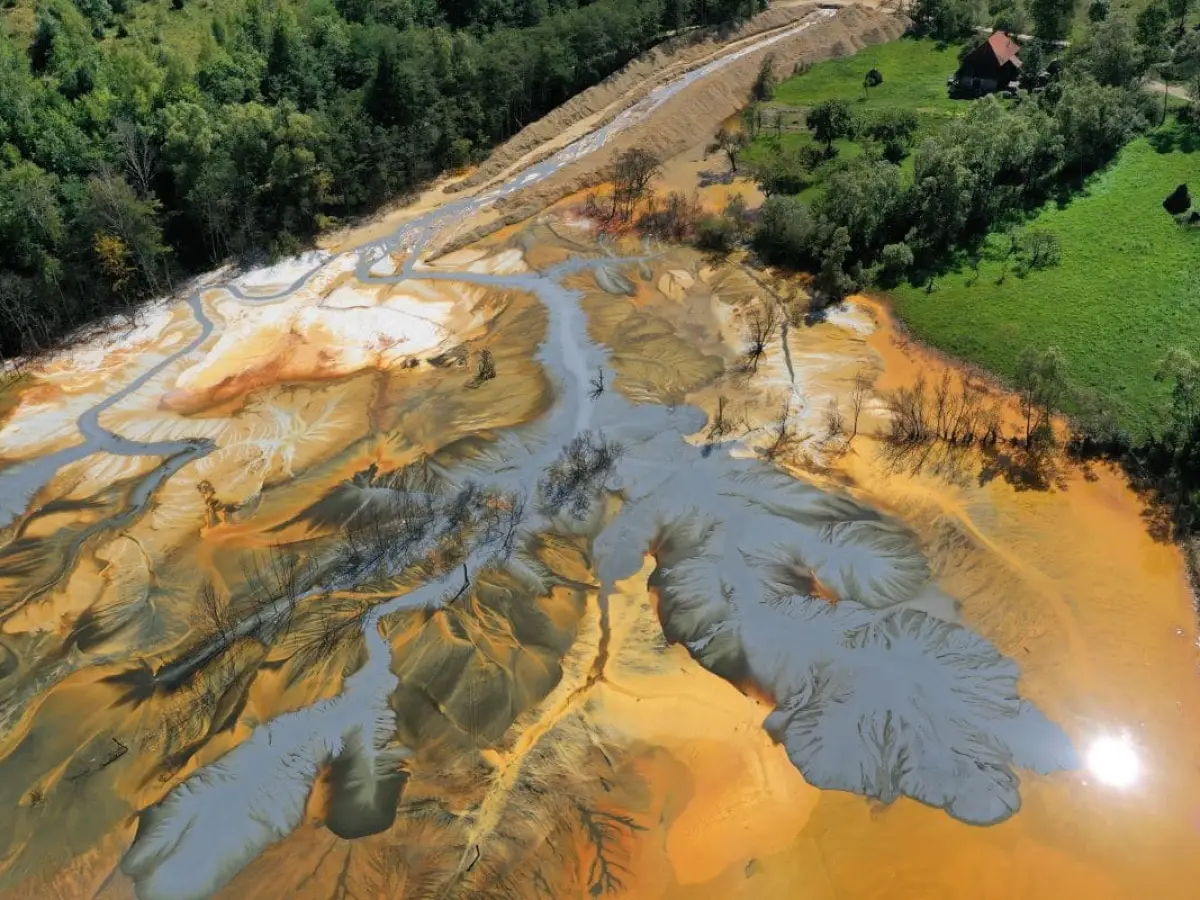
Soil pollution is often underrated, because other topics, such as climate change, air quality, water consumption, etc. are more widely discussed. Nonetheless, it is a kind of environmental pollution that could seriously impact human health, and it is caused by several human activities, such as waste management, chemical storage and consumption, agriculture and farming, construction and infrastructure, etc.
What is soil pollution? It is the presence of chemicals or substances in soil whose nature, location or quantity may harm human health and cause negative environmental impacts. These substances are called soil pollutants. Soil pollutants can be organic, such as plastics and pesticides, or inorganic, such as heavy metals and phosphates.
Negative impacts of soil pollution include reduced soil fertility, disruption of microbial communities, and long-term soil degradation, all of which affect agricultural productivity and ecosystem services. Negative impacts of soil pollution on people include risks to food safety, reduced availability of productive farmland, and long-term health effects from soil contaminants and the food chain.
Draft standard on soil pollution is currently open for public review. The structure of this draft closely follows that of the air pollution, with some interesting differences.
The proposed framework follows the Policy-Actions-Objectives triad. It asks for an explanation of how the issue is managed, with attention also paid to the value chain. In this case, companies are asked to identify the points in the value chain where significant soil pollution incidents may occur, in order to determine the actions needed to limit these occurrences (e.g., strengthening relationships with suppliers in the value chain or improving products and services in the distribution chain).
The draft also suggests potential objectives that a company could set regarding this issue, reaffirming the usefulness of standards in guiding strategic approaches and monitoring phases. These objectives might include, for example: reducing the percentage of synthetic and non-synthetic inputs over a defined period (relevant in the case of pesticide and chemical fertilizer use); developing safer alternatives, such as replacing specific chemicals in products whose use during distribution and use phases may cause soil pollution; reducing plastic use in agricultural activities; eliminating landfill disposal of waste by a set year; and training all workers involved in agricultural activities on optimising pesticide and fertiliser use.
Finally, the draft advises companies to report the number of incidents related to non-compliance that have caused soil pollution, as well as the subsequent remediation actions taken. This approach seems more effective than the one suggested for air pollutants, where the guidance is to define reduction goals in terms of weight. For both air and soil pollution, it seems more meaningful to report the number of cases of non-compliance with the prescribed requirements. As with the air pollution draft, a public consultation is open, which will close in June.
Cover: photo by Envato