


MASE is the beneficiary of a substantial portion of the National Recovery and Resilience Plan: €33.7 billion spread across 49 measures, with 119 milestones and targets to be achieved. The ninth instalment has been received; the tenth will be the largest in terms of both the amount involved and the objectives to be reported on collectively. We are just a few weeks away from 30 June, a date that marks the deadline set by the European Commission to report on which targets have been met and which have not.
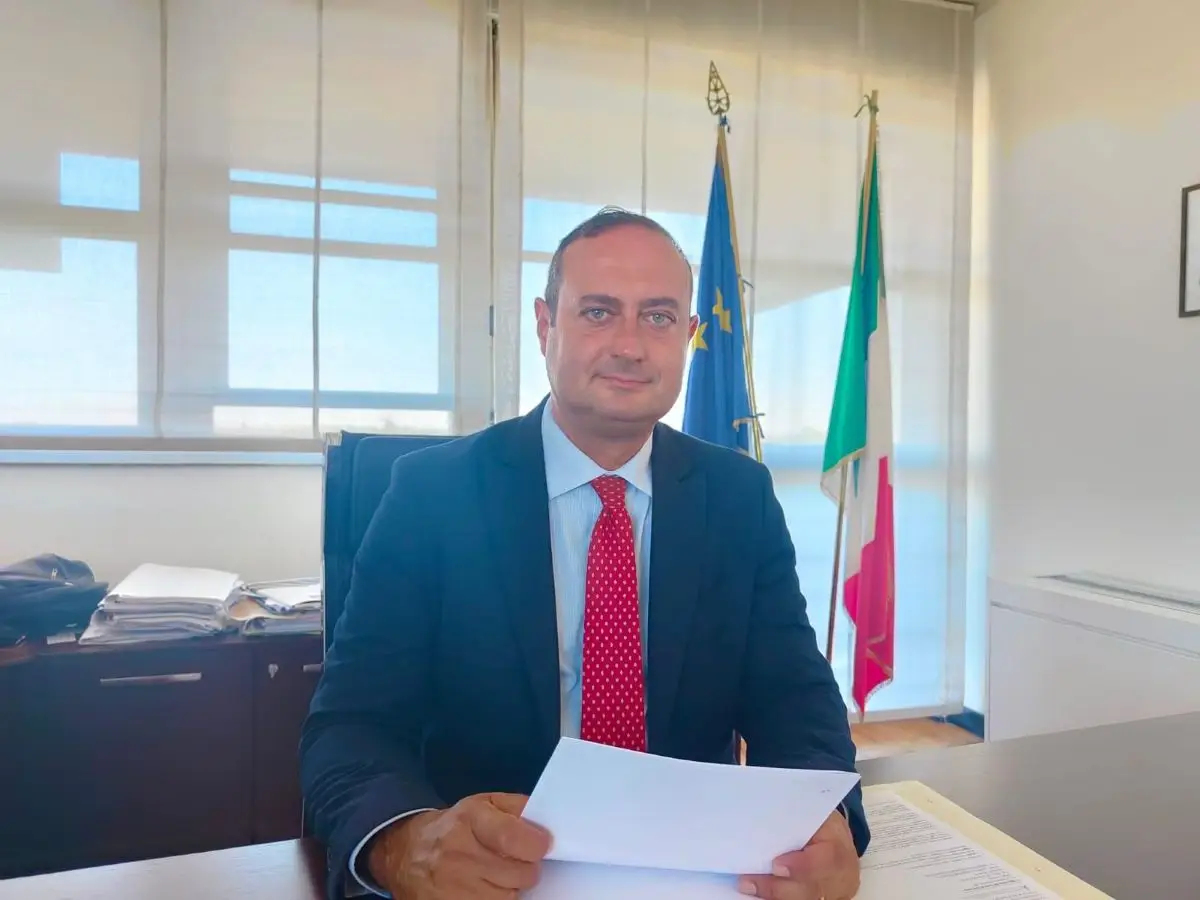
Fabrizio Penna has been heading the department managing this process since February 2023. We met with him to take stock of the situation, as part of the first of two in-depth features that Renewable Matter will be dedicating to the implementation of the Plan in the fields of the circular economy and energy.
Let’s start with the timetable. When will we be able to say that the PNRR is truly “complete”?
The answer is twofold. First, there is the deadline set by the CID – the Council Implementing Decision – setting out the PNRR’s commitments, measure by measure. The reference date is 30 June 2026, which can be extended to 31 August for projects that have reached over 80% completion by the end of June. It is this deadline that determines the disbursement of the instalments, and for the final, tenth instalment, we have 49 targets to meet within a single time-frame: these are the instalments that bring the Plan to a close, and for us at MASE, they represent the largest financial allocation alongside the final reporting on key reforms and investments. When we consider the real-world impact of the PNRR on local areas, however, the time-frame is at least three years. For separate waste collection, the impact is immediately visible. For innovative facilities – the flagship projects of the circular economy – the effects in terms of verifiable climate tagging and the impact on local areas will be measurable in one, two or three years’ time. Climate tagging is the European methodology used to assign each measure in the Plan a contribution to climate objectives, based on standard coefficients of 100, 40 or 0 per cent. In Brussels, this is used to verify that the PNRR meets the minimum threshold of 37% climate-related expenditure set by the RRF Regulation, namely Regulation (EU) 2021/241 establishing the Recovery and Resilience Facility, the legal framework of Next Generation EU, binding the disbursement of funds to the documented achievement of milestones and targets rather than to mere expenditure. The latest decree-law has also extended the lifespan of the mission structures for this reason: operational time is needed for implementation, and time is needed for reporting checks.
The complexity of MASE differs from other implementing ministries. How does this affect target closure?
It makes a big difference, as can already be seen in the application of the Public Procurement Code. A ministry such as the Ministry of Infrastructure works on traditional procurement contracts, and the documentation certifying the completion of a project follows a standard format. This is not how it works here. In Italy, we have circular economy measures, purely energy-related measures, measures that fall between the two – such as biomethane – and nature-based measures. A waste management facility or a hydrogen valley raises different questions, but in many cases the issue of grid connection also comes into play, which is a variable beyond the beneficiary’s control. The documentary evidence required to demonstrate that “the target has been met” is much more complex, and each category of measures must be tailor-made. We are in constant negotiation with the Commission to determine, on a case-by-case basis, what is sufficient to finalise the process.
Over the past few years, MASE has undergone three name changes and a major reorganisation. From the Ministry of the Environment to Ecological Transition and finally to Environment and Energy Security, with the PNRR in the thick of it all. As head of the PNRR Department, how have you seen the organisation transform?
Three phases overlapped. The first was the initial recruitment drive, held thirty years after the Ministry’s establishment, opening the way for a generational change that had been stalled for decades. The second was the major reorganisation linked to the Ecological Transition, culminating in the move to MASE: this saw a genuine merger between colleagues from the Energy Department of the former MISE and those from the Environment and Land Protection departments. The third is the PNRR, a performance plan rather than a spending plan: Europe allocates funds only if you can demonstrate that you have delivered. We have managed 34 billion with a very high degree of diversification between the environment and energy strands, and we are the only departmental structure organised as a Mission Unit. In other ministries, a Mission Unit is equivalent to a directorate-general. In our case, it is a department structured into two directorates, as the complexity is not merely financial. Take urban afforestation, for example: we are planting almost four and a half million trees, shrubs and saplings, working with ISPRA, the Forestry Carabinieri, the Italian Botanical Society and metropolitan cities. These are operational activities that the Ministry had never undertaken before.
And then new professional skills were brought on board.
Partly a result of the Covid crisis, partly of the PNRR. Young people in the civil service with master’s degrees, PhDs and in-depth language skills. Technical managers who can discuss matters on an equal footing at European round-table meetings. These are the steps that have enabled the third change – the one I emphasise most: our relationship with the Commission. When I first took office, they would barely even answer the phone. Today, we anticipate issues, we discuss them; sometimes we reach an agreement and sometimes we don’t, but the revisions to the Plan have been approved precisely because of this. The Ministry’s international profile on climate and biodiversity issues was already in place. But this kind of direct dialogue with Brussels, at this level, did not exist before.
Of all these measures, which one will have the longest-lasting impact?
Out of sheer affection, I’d say urban afforestation. It’s been a challenging process, but the trees are living organisms that will help mitigate climate change in our cities for decades to come. From a structural and macroeconomic perspective, I’d say the major investments in renewables. In this area, we have developed – in agreement with the Commission – new instruments known as Facilities, which extend beyond the expiry of the PNRR. Energy communities, biomethane and agrivoltaics will be funded until 2028–2029, totalling 4.2 billion. I’m also particularly fond of more niche measures, like the renaturation of the River Po or the research into marine biodiversity that we’re conducting with ISPRA, for which we’re equipping a new oceanographic vessel.
And what about reforms?
The Plan’s first reform, the Circular Economy Strategy, establishes a long-term direction. But what is currently yielding measurable results, within a challenging legal and political context, is the simplification of authorisation procedures for renewables. The competing jurisdiction between the State and the Regions has meant that every step has involved multi-party negotiations. The reform received the green light with the ninth instalment. The tenth instalment adds the operational element: the single platform for issuing authorisations, which requires the Regions and five thousand local authorities to guarantee interoperability.
A personal question. What did you take away from this experience?
I always joke by saying “let’s be resilient”. It has given me a sense of resilience in classifying the priorities of the challenges I face, and a great deal of patience. Above all, it has confirmed something I was already convinced of: if you work as a team, you get results. That is the legacy I value most.
Cover: Fabrizio Penna