


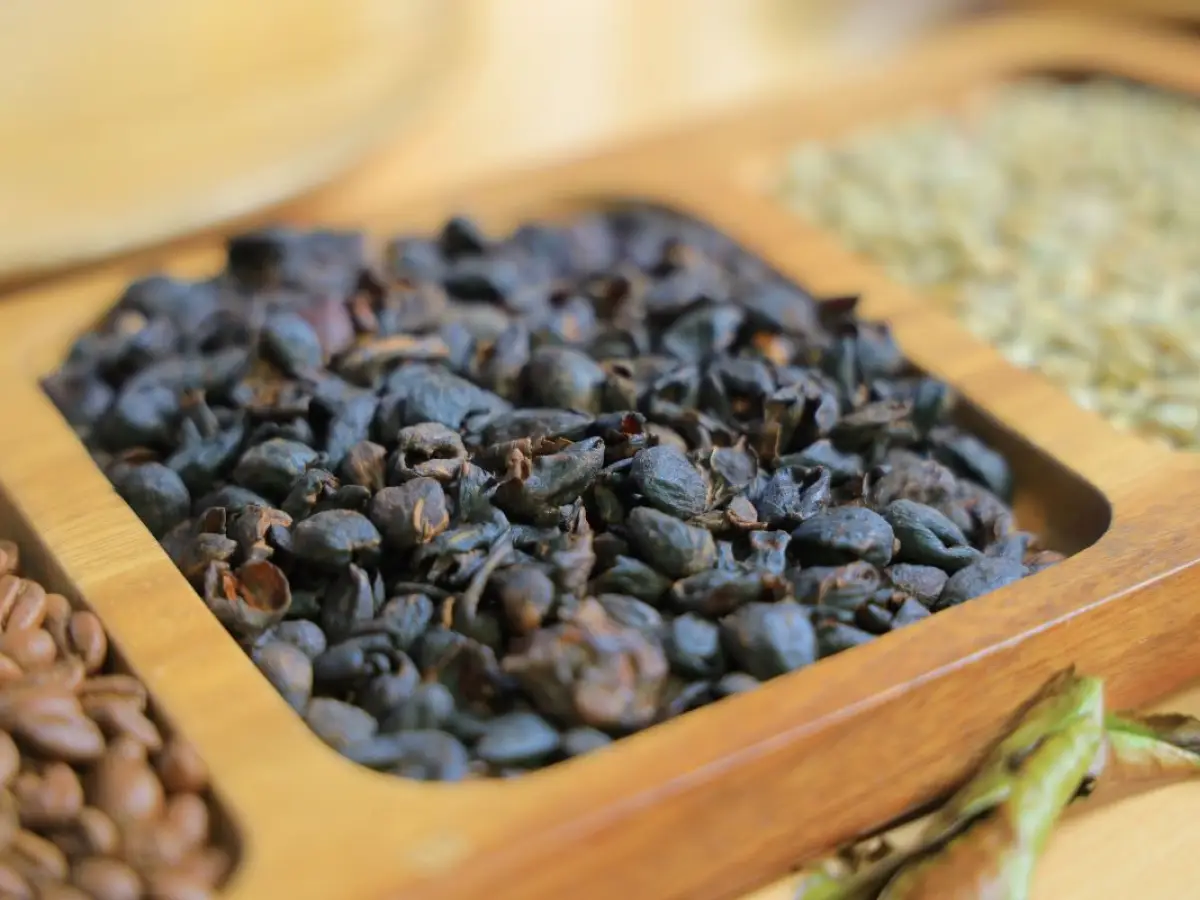

As the coffee sector faces increasing pressure to reduce environmental impacts while improving economic resilience, focus is shifting towards a largely overlooked resource: cascara, the outer layer of the coffee cherry traditionally discarded during processing. Once considered a low-value by-product, cascara is now emerging as a potential driver of circular economy innovation, capable of reducing waste, creating new revenue streams, and opening up alternative market pathways for producing countries.
This shift was the focus of Sip, Savor, Sustain: Ethiopian Cascara, a tasting and knowledge-sharing appointment held at the beginning of February as a side event of the 22nd African Fine Coffee Conference (AFCA) and the 3rd African Coffee Week. Organised by the Center for Circular Economy in Coffee (C4CEC), a global pre-competitive platform launched during the ICO World Coffee Conference in 2023, which has Fondazione Lavazza and the International Coffee Organization among its founding partners, the event positioned cascara within a broader conversation about resource efficiency and value creation in agricultural supply chains.
Reframing a by-product
Cascara refers to the dried pulp and peel removed from coffee cherries during processing. Historically treated as agricultural waste or used only in limited local applications, these husks can instead be brewed into a tea-like beverage with a naturally fruity flavour and moderate caffeine content.
In producing regions, cascara has long-standing cultural roots. Known as hashara in Ethiopia and qishr in Yemen, the drink reflects traditions of resourcefulness within coffee communities. Today, however, the renewed interest in cascara is driven less by novelty and more by structural shifts in the coffee economy, including the need to diversify income sources and reduce material losses across the value chain.
Approximately 86% of the coffee cherry is typically discarded or underutilised after processing, with husks and pulp accounting for a significant proportion. Giving new value to these materials aligns with circular economy strategies increasingly promoted within European sustainability frameworks and global commodity sectors.
Circular economy as a business model
Held in the city of Addis Ababa, the Ethiopian Cascara tasting event highlighted how circular economy principles can move beyond theory into tangible business opportunities. Following high-level AFCA discussions on the policy side and a scientific event on the potential of spent coffee grounds, the tasting showcased cascara as a value-added product capable of linking traditional knowledge with new market applications.
“It’s important to demonstrate how by-products can transform into new products,” said Mariamawit Solomon, Project Development & Operations Lead at C4CEC. “The tasting event was designed to make circular solutions tangible and to show that innovation doesn’t always have to be high tech or come from the West. Important advances are also happening within coffee-producing countries, driven by local talent and expertise. By inviting local businesses and baristas to experiment with cascara, we created an experience that allowed participants to see, taste, and understand the potential of circular innovation in practice.”
Participants were introduced to preparation techniques, food safety considerations, and potential market pathways, all while engaging directly with producers and entrepreneurs. Next to The Taste of Harvest, a competition organised by AFCA to recognise the best green coffees within the Sip, Savor, Sustain: Ethiopian Cascara event, included an informal “Event Favourite” vote. The cocktail-style format allowed attendees to experience cascara beverages alongside raw samples, illustrating how origin and processing methods influence flavour, thus positioning cascara within the speciality beverage landscape. Attendees were invited to scan QR codes to select their favourite coffee and share the flavours they experienced. While not everyone participated, 24 attendees submitted votes.
A technical presentation by UNIDO coffee advisor Massimo Battaglia opened the programme, followed by short pitches from exhibitors representing diverse Ethiopian coffee regions such as Yirgacheffe, Sidamo, Kaffa, and Guji, which used processing methods such as honey processing, natural sun-drying, and anaerobic fermentation. Preparation styles ranged from traditional hot infusions to iced beverages, syrups, and mixology-inspired applications incorporating local ingredients such as honey, lemongrass, rue, or coffee leaves. Event participants cast votes in the tasting competition, with Hyatt Regency Addis Ababa receiving the “Event Favourite” recognition.
A niche product with market potential
From a market perspective, cascara occupies an emerging category between tea and coffee. With lower caffeine levels, typically between 10 and 20 mg per cup, and a profile rich in antioxidants and polyphenols, it may appeal to consumers seeking functional beverages or alternatives to traditional coffee.
Its versatility supports diversification across multiple segments, including ready-to-drink beverages, speciality cafés, gastronomy, and ingredient applications. This flexibility may help cascara align with broader trends in European and global markets toward sustainable sourcing, waste reduction and storytelling around origin and circularity.
The global cascara product market size is estimated at US$610.3 million in 2024. Worldwide demand for cascara products is projected to climb to a market value of US$1.59 billion by the end of 2034. Cascara is gaining popularity in the United States and Canada, especially in cities with vibrant speciality coffee culture. Demand for cascara products is rising in Western Europe due to increasing consumer interest toward artisanal and premium goods. For producing countries, this represents an opportunity to capture additional value within their borders, rather than exporting only raw beans.
Value creation along the supply chain
The economic relevance of cascara lies in its potential to shift how value is distributed across the coffee sector. By transforming processing residues into marketable products, cascara initiatives can create additional income streams for producers, farmers and small and medium-sized enterprises, all while reducing environmental impacts associated with waste.
Local processing and product development may also strengthen regional supply chains, improve resource efficiency, and enhance resilience against price volatility in global coffee markets.
As Solomon pointed out: “The Ethiopian cascara tasting illustrated growing interest from across the sector, with participants also among private companies, international organisations, NGOs, and industry leaders such as representatives from the Ethiopian Coffee and Tea Authority and the International Coffee Organization”. Their participation signals increasing recognition that coffee by-products may play a strategic role in future sustainability strategies.
Scaling circular innovation
Despite growing momentum, scaling cascara remains dependent on market development and consumer awareness, particularly in Europe, where, while cascara has been approved as a novel food by the European Food Safety Authority (EFSA) for use in the EU since 2022, market familiarity can influence consumer popularity. Events such as Sip, Savor, Sustain: Cascara Tasting aim to bridge this gap by connecting producers, innovators, and buyers while showcasing practical examples of circular economy implementation.
As climate pressures and resource constraints reshape global agriculture, cascara illustrates how traditional practices can intersect with modern sustainability agendas. What was once viewed as waste may increasingly become a source of innovation and demonstrate how circular approaches can unlock new economic pathways within the coffee value chain.
Cover: photo by Center for Circular Economy in Coffee