


This article is part of the thematic channel The Carbon Observer: subscribe to the newsletter
The start-up CarpeCarbon is set to build Italy’s largest plant for carbon dioxide capture from the atmosphere in Cuneo, at the site of the Italian subsidiary of tyre manufacturer Michelin. The agreement, signed on 23 October by the two companies, officially confirms this development. On the one hand, this will enable the industrial-scale development of a technology that has so far been very costly and inefficient; on the other, it will allow Michelin to partly decarbonise its inertisation processes.
The energy-efficient DAC
The Direct Air Capture (DAC) plant is expected to be operational in the second half of 2027, with a capture capacity of 300 tonnes of CO₂ per year. The excess carbon dioxide will be permanently stored underground. After reaching the necessary maturity to commercialise the technology in December 2025, the Turin-based start-up has succeeded in developing an energy-efficient DAC system using innovative absorption materials.
“We have de-electrified the process, allowing our plants to operate completely off-grid, without the need to connect to the grid or generate large quantities of renewable electricity on-site,” Giuliano Antoniciello, CEO and co-founder of CarpeCarbon, explains to Renewable Matter. “Our system utilises low-temperature heat, both from solar thermal collectors and waste heat from industrial processes: two low-cost and readily available sources. This, combined with a modular and standardised design, enables us to keep costs well below the industry average.”
The pilot plant trialled by CarpeCarbon consumes around 300 kWh of electricity per tonne of CO₂ captured – roughly equivalent to the electricity consumption of an Italian family of four for around a month and a half – which is significantly less than the 1,000–2,500 kWh required by traditional systems. According to Antoniciello, the company will manage to bring costs below €200 per tonne by 2030.
What makes CarpeCarbon’s technology even more innovative is the new solid material used for CO₂ capture. It belongs to the family of nanoporous materials, with hundreds or thousands of square metres of surface area per gram of material. CarpeCarbon uses them to form “sponges” that allow clean air to pass through while trapping the CO₂.
The cost of capture needs to be reduced
Currently, capturing CO₂ directly from the atmosphere is very costly for one simple reason: its concentration in the air is so low (just 420–430 parts per million) that the machinery requires huge amounts of energy to extract it from such large volumes of air.
According to an analysis by the International Energy Agency, capture currently costs an estimated US$500 to US$1,900 per tonne. It remains a relatively new process, very expensive and therefore heavily subsidised, almost exclusively in the United States.
“It is a paradox that CO₂ removal is considered by all scientific scenarios to be essential for achieving climate neutrality, yet it lacks the means to grow,” replies Antoniciello. “And still, something is shifting: a proposal is on the table to allow the European Commission to purchase removal credits directly, thereby creating a mandatory market that could provide the sector with stable demand.”
The various carbon removal technologies play a key role in global climate policy, especially for industries that are more difficult to decarbonise. The third report on the state of carbon dioxide removal, compiled by over fifty scientists, states that the current removal plans of various countries are insufficient to limit global warming to below 1.5°C. In fact, there is a shortfall of over 5 billion tonnes of CO₂ per year compared with what is required.
How Michelin uses CO₂
If it were not for carbon dioxide lowering the oxygen concentration (inertisation) in sensitive environments – including tanks, pipelines, storage chambers and machinery – there would be far more fires and explosions in tyre factories.
Preventing the risks of oxidation and combustion of materials such as rubber, oils, solvents and dust is crucial for companies such as Michelin, which generally purchase CO₂ from other industries as a by-product.
Global consumption is estimated to be around 230 million tonnes per year: it is mainly used to boost crop yields, for enhanced oil recovery (EOR), as well as in the food, chemical, refrigeration and welding sectors. However, using CO₂ does not mean removing it permanently. In many applications, such as carbonated drinks or the inertisation process itself, it is released back into the atmosphere. When Michelin begins sourcing CO₂ from DAC plants from 2027, it will only achieve a net-zero environmental impact if the energy source used to capture the carbon dioxide is clean.
Permanent removal, on the other hand, requires CO₂ to remain out of the atmosphere for very long periods, as occurs during mineralisation in basaltic rocks. CarpeCarbon is well aware of this and plans to store part of it in Italy, in “promising” geological reservoirs, before selling it in the form of carbon credits.
This content is produced thanks to the support of sponsors
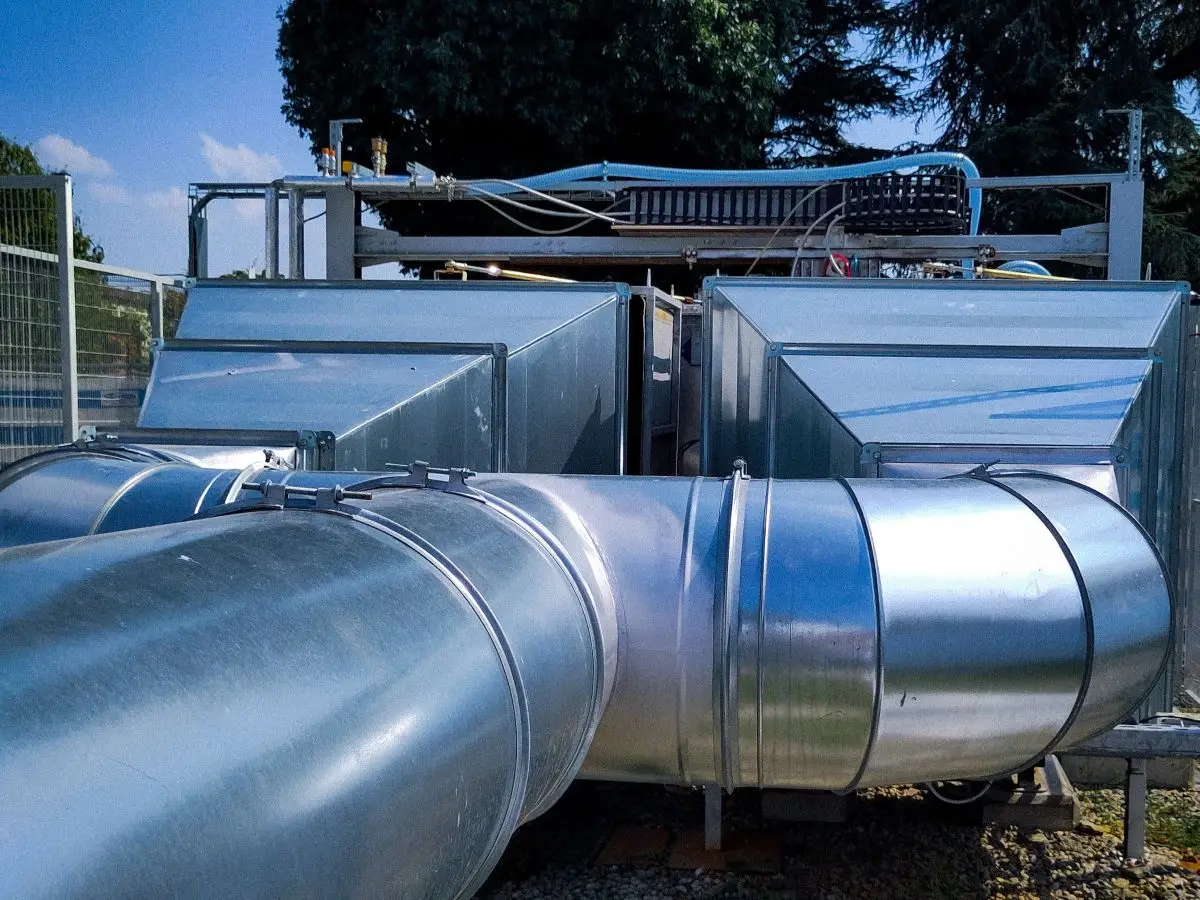
Cover: the DAC plant in Caselle (Turin), photo by CarpeCarbon