

From 29 September to 2 October 2026, Rome will host the first Euro-Mediterranean Water Forum. Organised by the One Water Committee with the support of CIHEAM in Bari, in collaboration with the Union for the Mediterranean (UfM) and the Mediterranean Water Institute in Marseille, the forum is intended to serve as a preparatory step ahead of COP31 in Antalya and the UN Water Summit on 8–10 December 2026 in Abu Dhabi.
The Water Observer, the Forum’s media partner, spoke with the Forum’s director, Emilio Ciarlo, to learn more about the event’s geopolitical positioning, founded on three pillars: governance, prevention and planning.
Why a Euro-Mediterranean Water Forum, why in Rome, and why now?
The Mediterranean is the region where temperatures are rising 20% faster than the global average. Over 180 million people already live in conditions of water scarcity, with a further 60 million facing water stress. Yet, until now, no structured forum for dialogue existed that would bring together the two shores of the Mediterranean – Europe, North Africa and the Middle East – to discuss the specific issue of water. The Forum bridges this gap at a time when the international calendar – the UN Conference in Abu Dhabi in December 2026, the World Water Forum in Riyadh in 2027, and the conclusion of the Water Decade in 2028 – makes 2026 a crucial and unique year for establishing tangible commitments. Rome is the obvious choice: it is the capital of a country that hosts the FAO, IFAD and WFP, which promoted the Mattei Plan for Africa with a particular focus on water and which – through the One Water Committee, the UfM and the IME – has, in recent years, built the institutional network necessary to ensure this Forum remains credible and representative.
What is Italy’s current standing as an international geopolitical and economic player in the field of water?
Italy finds itself in a unique position: it is both a Mediterranean and a European country; it has just invested 4.5 billion from the PNRR (National Recovery and Resilience Plan, ed.) in the water sector, and, with the Mattei Plan, it has placed water security at the heart of its foreign and cooperation policy towards the African continent and the southern Mediterranean, dedicating 5.5 billion to development projects focusing on water, energy, health and education infrastructure. The Forum is the moment when Italy transforms this position into recognised international leadership. Moreover, our country deals with and understands all aspects of water as a resource: from glaciers to rivers, from coastlines and the sea to the mountains, from the risks of water scarcity to those associated with floods and extreme weather events. For this reason too, we boast advanced technologies, experience and know-how across all sectors.
In the diplomatic process leading up to UN Water in Abu Dhabi and COP31, what is the Forum’s position, and what tangible outcomes are expected?
The Forum concludes on 2 October; Abu Dhabi opens on 2 December. Those two months are not a gap; rather, they are the time needed to translate the recommendations from Rome into positions and ideas to be taken to the UN Conference and, even earlier, to the COP in Antalya at the end of November. We are working to launch a “Rome Initiative on Water”, as part of the statement that we hope the Union for the Mediterranean will approve during the Forum, pursuing capacity-building measures to improve the financial viability of water infrastructure projects. We will have a “CEO Water Commitment Pledge”, a joint declaration by the private sector intended to conclude the CEO Water Summit that we are developing with leading companies in the sector. In addition, there will be a package of structured thematic recommendations, prepared by each of the Forum’s 11 panels, representing the Euro-Mediterranean technical and political contribution.
What role would you like to see Italy play within UN Water?
The Forum and the One Water Committee strive to promote a leading role for Italy. The country can claim a leadership role in global water governance, in line with its Mediterranean location and the presence of UN agencies in Rome, possibly with a view to the next United Nations conference in 2028, which will mark the end of the “International Decade for Action on Water”. In Abu Dhabi, we will urge the Government to ensure high-profile political action, and we will attempt to contribute to the drafting of documents in which the Mediterranean – one of the planet’s climate hotspots – has a strong and authoritative voice. We will be discussing this as early as the end of June in Jeddah with the organisers of the Cairo and Istanbul forums. We intend to work together to forge a coherent path that empowers us all.
The key theme among the Forum’s eleven sessions is governance. What model would you like to see for Europe? How will you engage with Brussels?
The model promoted by the Forum is one of multi-level governance, which integrates cities, river basin authorities, national governments and European institutions into a coherent and non-fragmented framework. The new European Strategy for Water Resilience and the Water Framework Directive provide the regulatory framework; the Forum intends to work on its practical implementation, with a particular focus on the cross-border dimension and cooperation with non-EU countries in the Mediterranean. Talk with Brussels is already underway: the European Commission will take part in the Forum’s plenary sessions as well as the CEO Water Summit; we have invited both the Commissioner for the Environment and Water Resilience, Jessica Roswall, and the Director-General for the Environment (DG ENV), Eric Mamer, as well as the Commissioner for the Mediterranean, Dubravka Šuica, and the Director-General for the Middle East and North Africa (DG MENA), Michael Karnitschnig.
A Euro-Mediterranean festival to foster dialogue between the two shores: how can we avoid a one-sided European narrative?
Designing together with the southern shore is a structural, not decorative, process. The Arab Water Council is an organisational partner of the Forum. CIHEAM Bari, with its network of contacts in the southern Mediterranean countries, has carried out three rounds of regional consultations as part of the One Water project – with the Balkans, the Mashreq and the Maghreb – that have directly informed the Forum’s thematic agenda, guaranteeing that the priorities of the southern shore are integrated into the programme right from the preparatory phase. The UfM Ministerial Meeting, political and security conditions permitting, will bring together the 43 ministers responsible for water in the region on Monday, 28 September, at the Farnesina, and we are counting on the delegations to remain in Rome that same week to take part in the Forum. The programme includes sessions specifically dedicated to the challenges facing the southern Mediterranean, and the partnership with the UfM and CIHEAM in Bari itself provides the institutional guarantee of this balance.
The legacy: what will remain after 2 October?
The Forum does not end on 2 October. Its legacy is built on three levels. The first is a set of documents, pledges and ideas that will be discussed in Rome, entering the international debate, and which will be taken forward to subsequent international events. The second is institutional: the One Water Committee has succeeded in building a national and international network of over a hundred members, including institutions, businesses, universities and international organisations, and its aim is to ensure the continuity of this valuable work. The third is linked to the idea of establishing a Mediterranean Water Fund to invest in priority infrastructure projects aimed at achieving “water security” in the region by 2050 – the political objective that serves as the slogan for our Forum.
This would represent a turning point in water finance.
Our idea is to collect government investments across the Mediterranean, as the African Union has recently done. We would then add the funds channelled through the “Rome initiative” within the Union for the Mediterranean. The result would be a multi-donor fund that also draws on other resources: from the Green Climate Fund to development banks and official development assistance, open to partnerships with the private sector to bridge the annual gap of 30 billion dollars required to achieve the region’s objectives. This would make One Water a genuine success.
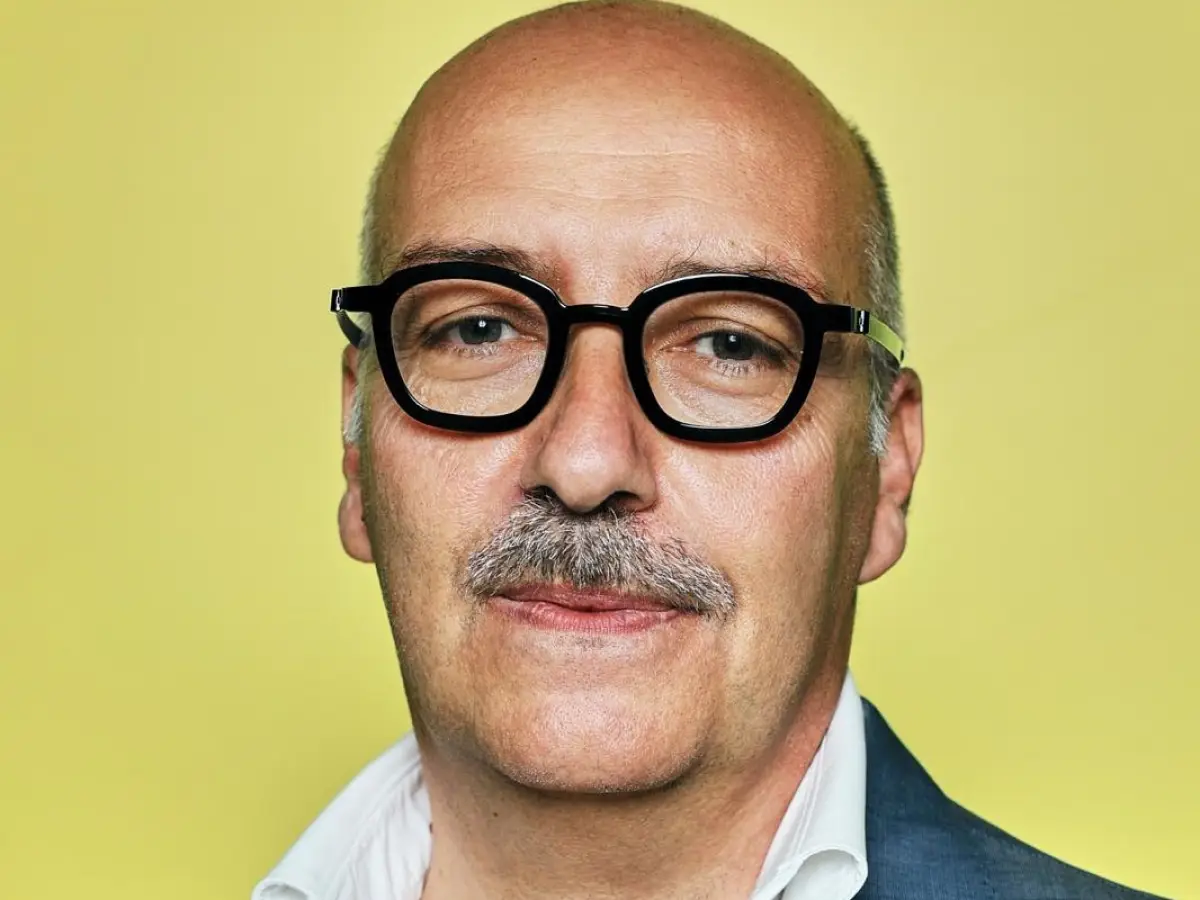
Cover image: Emilio Ciarlo