


This article is part of our Beauty and Cosmetics feature: discover it here
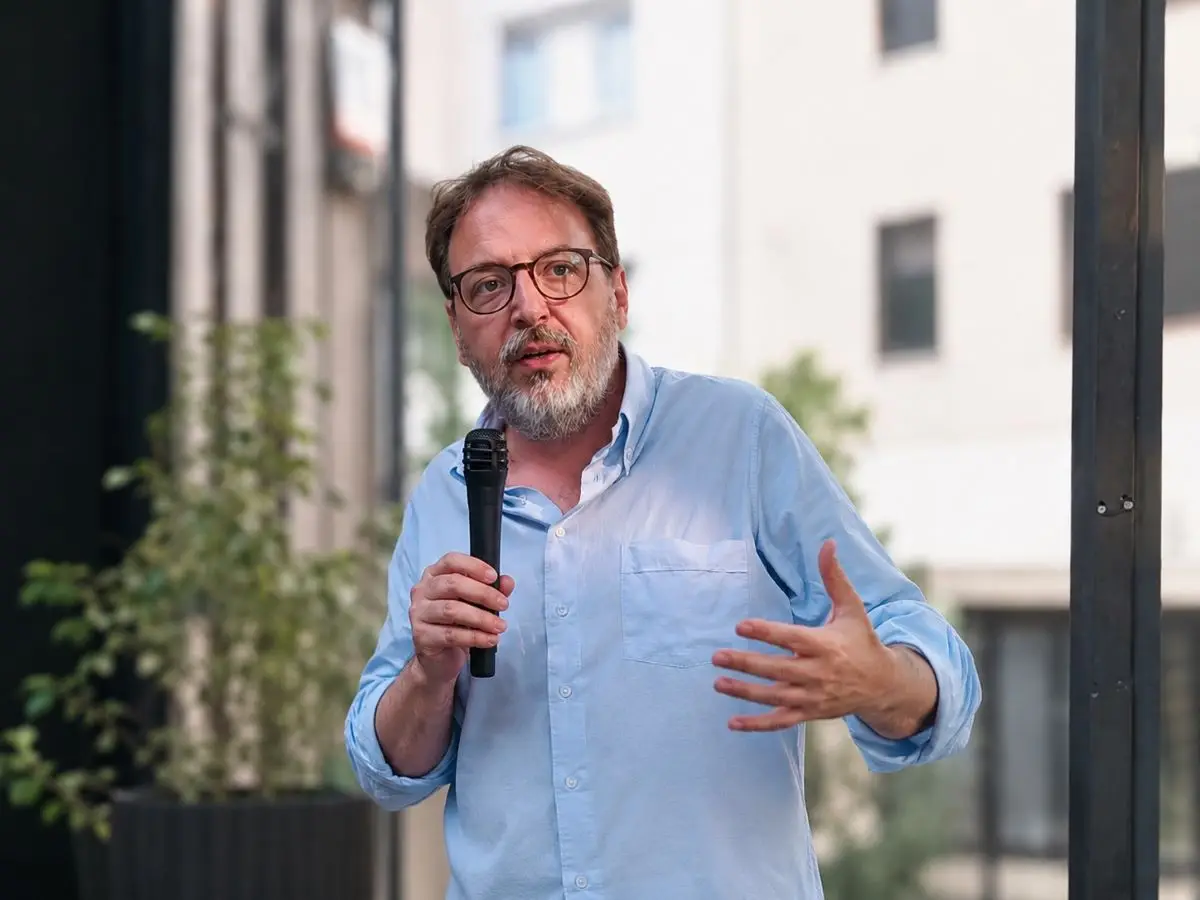
A varnished wooden cap with an aluminium screw – not FSC-certified, non-separable at the end of its life, and impossible to recycle – presented as the green innovative feature of a premium cosmetics range. This is the stark example with which the interview with Michele Merola on the cosmetics sector’s complex transition towards sustainability begins. “The equation ‘wood, therefore natural, therefore green’ perfectly embodies how good intentions, without knowledge, translate into greenwashing.”
Merola is a member of the Management Working Group of the Green Economy Observatory (GEO) at Bocconi University and head of the Sustainability/ESG Unit at Ergo s.r.l (now part of the Tecno Group), a start-up from the Sant’Anna School of Advanced Studies in Pisa, which specialises in environmental management. For years, he has been working alongside Cosmetica Italia, the trade association representative of a sector with a turnover of €13 billion, to develop methodologies and tools to bring real sustainability to companies of all sizes: large, medium and small.
Where does sustainability in cosmetics start?
The sector is working on three fronts: products, packaging and production processes. When it comes to products, it all started with natural and organic ingredients, which, however, are not the same as sustainable. We have worked hard on this distinction, and it is still not fully understood, even by consumers. A claim such as “100% natural” can sometimes mask ingredients extracted in ways that have a significant impact on biodiversity. In terms of formulas, the trend is towards simplification: fewer ingredients, clean beauty, attention to substances that damage corals in sun creams, and a reduction in palm oil from areas at risk of deforestation. Research is moving in that direction, although much remains to be done.
Packaging appears to be the main area of investment: is this the case?
It is the area where progress has been most visible. When we began working with Cosmetica Italia on the sector’s transition eight years ago, we approached the Cosmopack and Cosmoprof exhibition halls to ask if anyone had recycled or bio-based packaging: only two companies responded, and both were offering bio-based plastics from Brazil. Today, you’re overwhelmed with sustainable packaging options. The three main strands are: dematerialisation (eliminating unnecessary secondary packaging, making it lighter and simpler); single-material (easier to recycle at end-of-life); and recycled content, with entire product lines reaching 70–80% recycled material. However, there remain huge differences across segments. Mass-market shampoo can easily be a 100% recycled single-material bottle. Less so in luxury make-up and perfumery. And the Arab market wants unabashed luxury, so aesthetics take precedence.
Is switching from plastic to other materials always an improvement?
Not necessarily, which is one of the most serious risks we face today. Replacing plastic with aluminium or glass may not necessarily reduce the overall impact: it depends on the full life cycle. Glass weighs considerably more, so transport costs and related emissions increase significantly. Aluminium has appealing characteristics in terms of recyclability, but even here we must consider the entire cycle. I often cite the example of the jar of lotion with a wooden lid: it appeared to be more eco-friendly because it was “natural”, but that wood was varnished, had an aluminium screw cap, was not FSC-certified and was unmanageable at the end of its life. They had replaced a recyclable single-material plastic with non-recyclable waste. The only methodological recommendation we ever give is this: a scientific approach, i.e., a life cycle assessment, before changing materials. Don’t chase after the latest trend.
And what about water?
Water is the key issue, yet it remains the most overlooked by consumers. It accounts for 70–80% of the average cosmetic product and is also used extensively in manufacturing processes: for heating emulsions and for cleaning equipment. The most advanced companies have already closed their water cycles, that is, they recover and treat water rather than discharging it. A company that discloses its water and carbon footprint is doing something far more useful than one that simply displays an “eco-friendly” label. However, it is precisely this scientific approach that needs to be strengthened.
Is greenwashing still a structural problem in the sector?
This is one of the sectors where self-proclaimed “environmentally friendly” labels are still very common. There are reputable certifications – the EU Ecolabel with the daisy and organic certifications for raw materials – and then there are the various bunnies and leaves that offer no guarantee whatsoever. The EU Ecolabel, which until three years ago was applicable only to rinse-off products, now covers all cosmetics, but it is not catching on as it should. Certification is costly and requires a systematic approach. This is why the support provided by Cosmetica Italia makes sense: seventy to eighty companies, ranging from micro-enterprises to medium-sized and large firms, are receiving direct support to build those capabilities from within.
Can small companies be as sustainable as large ones?
In some respects, even more so. Large companies have more resources, but also greater structural rigidity. A small business that understands the economic advantage of closing the water cycle can make changes to the system in a much shorter time-frame. And it often has local and social roots that large companies lack: businesses that already work with correctional facilities, local communities and Libera. Social sustainability is not an afterthought: it is part of the very same value system.
Cover: Michele Merola