


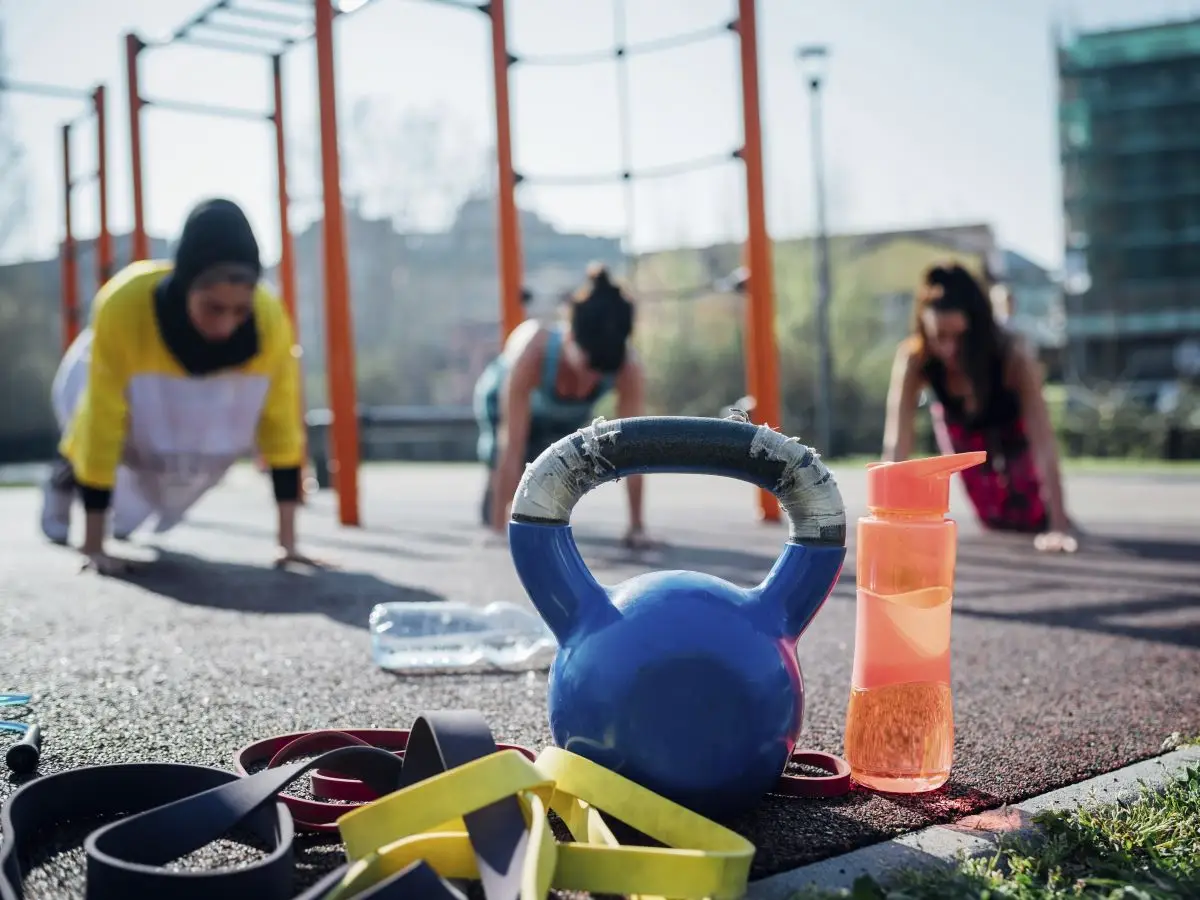

Exercising, training, staying fit: something that is generally regarded as a private matter is, in reality, only so in appearance. For many European countries, marked by an ageing population, a rise in chronic diseases and deep regional and social inequalities, basic sport – the kind practised in schools, neighbourhoods, clubs and public spaces – can become a strategic lever for development. Rather than treating it as a secondary expenditure item, to be supported when resources are available and sacrificed in times of crisis, governments should view it as a structural investment, capable of generating long-term economic, social and educational benefits.
Sport: an underestimated driver of the economy
According to Eurostat’s EU Sport Satellite Account 2025, sport accounts for around 3.4% of European GDP, equivalent to approximately €627.5 billion, considering both direct sporting activities and related economic effects, such as tourism and trade. In Italy, the sports sector generates €32 billion in added value, equivalent to 1.5% of GDP, and employs 421,000 people, as revealed by the Sport Report 2025, compiled by the Institute for Sports and Cultural Credit (ISCS) and Sport e Salute. This is a growing sector, driven by an increasingly international supply chain: exports of sporting goods, amounting to €4.7 billion, see the United States, France and Germany as the main target markets.
There are 38 million physically active Italians: in practice, two out of three citizens include physical activity in their weekly schedule. Compared to 2023, one million people have got off the sofa, bringing the proportion of sedentary people down to a record low of 33.2%. In particular, the proportion of those who take part in sport on a regular basis is growing (16.4 million people, 28.6% of the population), with significant increases among children and the over-65s.
The social value of sport is fundamental. Investments generate an SROI (Social Return on Investment) of 8.42: every euro invested translates into more than €8 in social benefits for the community, totalling €15.3 million over six years (2022–2027).
How much is the potential increase in participation in sport worth?
Even more interesting is the sector’s untapped potential. According to a recent study by Deloitte, entitled Sport: A Key Sector for the Country’s Social, Educational and Economic Development, in the medium to long term a 10% increase in participation in sport among the population could trigger large-scale economic and social benefits: an increase in annual productivity of around 1.7%, equivalent to an additional 34 billion in GDP, and around 81,000 more jobs per year.
Based on a sample of over three thousand respondents across five countries (Italy, Spain, Germany, France and the United Kingdom), the report confirms that sport is a central and deeply rooted phenomenon in Italy: 96% of Italians, compared to an average of 90% in other EU countries, consider it a fundamental element of education, and more than one in two (54%) regard it as just as important as school. According to the respondents, however, Italy is the country where schools do the least to encourage young people to take up sport: 62% believe that not enough is being done – compared to an average of 45.5% in other countries – or that students who pursue competitive sport are actually penalised.
A 10% increase in sports participation would lead to a 1.6% reduction in healthcare expenditure, as it would result in a healthier population in terms of physical wellbeing (-3.3% of people overweight, -1.9% with cardiovascular conditions and -1.6% with musculoskeletal conditions) and mental wellbeing (+1.1% mental health index, +6.4% life satisfaction). Furthermore, it would improve social wellbeing (a 9.9% increase in satisfaction with social relationships) and help to combat addiction (a 5% reduction in smoking and a 4.9% reduction in alcohol consumption) and crime (a 5.2% reduction in the crime rate), particularly among young people.
Sport, education and social inclusion
International experience supports this view of the social value of sport. In the United Kingdom, Sport England has estimated that physical activity generates 15 billion in benefits related to wellbeing, social cohesion and reduced healthcare costs each year, in addition to direct economic benefits of 107 billion, totalling over 122 billion pounds.
Global organisations such as UNESCO recognise sport as playing a fundamental role in human and social development, highlighting its contribution to inclusion, gender equality and the building of more resilient communities. The challenge, therefore, is to invest more in daily physical activity, making it widespread and accessible: local facilities, school programmes, and policies that encourage physical activity throughout life. An investment that does not yield immediate results but which builds solid foundations for healthier and more sustainable growth for individuals and for the country.
Cover: Envato image