
 Google Calendar
 Outlook Calendar
 Apple Calendar
 Yahoo Calendar
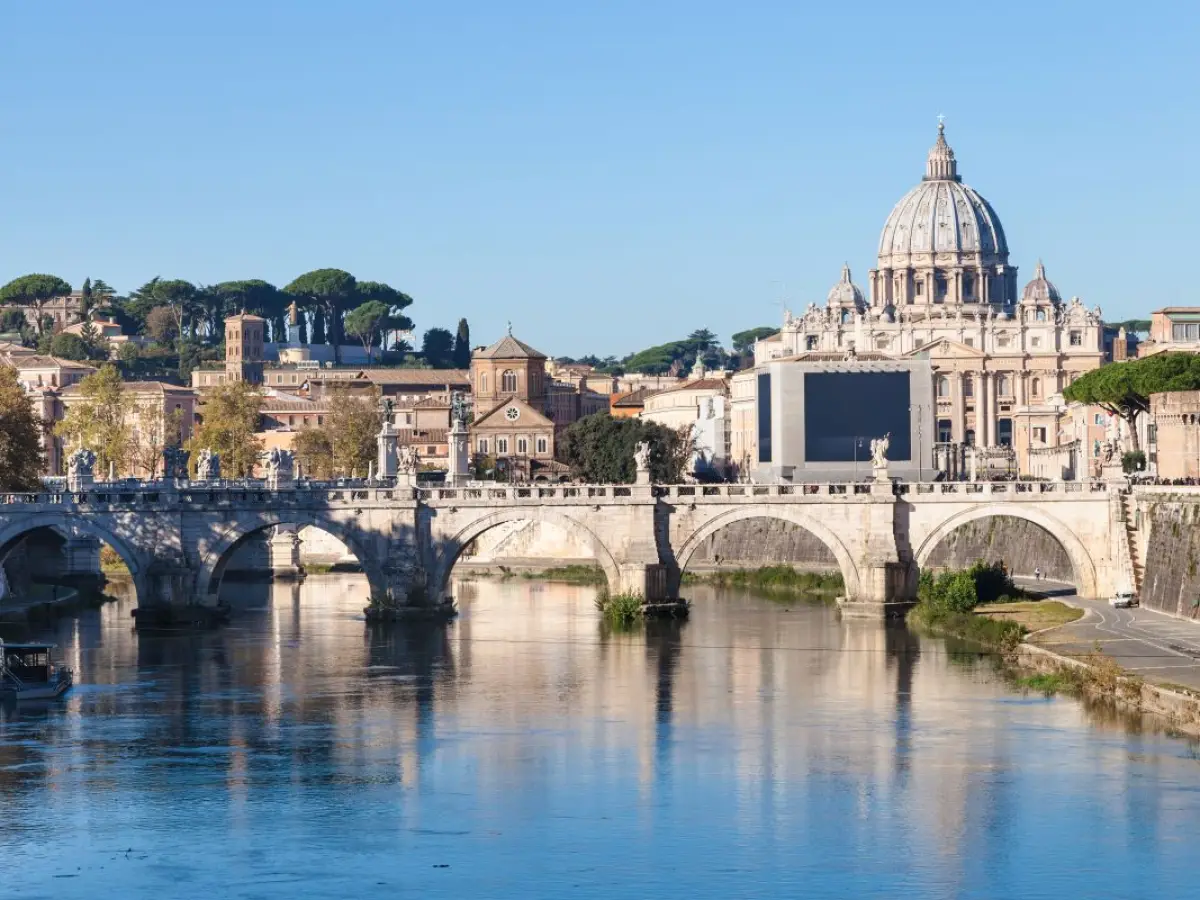
The Mediterranean region is preparing to place water at the top of its political and economic agenda. From September 29 to October 2, 2026, La Nuvola in Rome will host the Euro-Mediterranean Water Forum, a four-day event dedicated to the sustainable management of water resources, water security, and the strategies needed to address the climate crisis in the lead-up to the landmark year of 2050.
The pressure is already palpable. According to the data underlying the Forum, over 180 million people in the Mediterranean region live in conditions of water scarcity. At the same time, the basin is increasingly exposed to extreme weather events, from prolonged droughts to floods. This combination places stress on territories, infrastructure, and economic activities, meaning that water management focused solely to emergency response alone would be insufficient.
The event’s objective is, in fact, broader: developing a shared vision for water security in the Mediterranean by 2050, addressing what the organizers call a “water trilemma”: too much water, too little water, or polluted water. Renewable Matter is the official media partner of the event, contributing two thematic tracks: governance and AI. It will cover the event through its dedicated sector channel, The Water Observer, and its related newsletter.
Eleven sessions for a regional challenge
The Forum is organized by the Italian One Water Committee, in collaboration with the Mediterranean Water Institute in Marseille and the Union for the Mediterranean. The Rome edition intends to broaden the scope of previous initiatives focused on the Mediterranean by involving European Union member states and the Balkans, and by extending the discussion to the Arabian Peninsula and sub-Saharan Africa.
The programme is structured into eleven thematic sessions, designed to address the issue from different perspectives. Topics will include water scarcity and extreme weather events, as well as finance, governance, technology, and hydrodiplomacy. Emerging themes also include the relationship between water and energy, new water consumption patterns in the technology sector, water-related financial and insurance instruments, and the protection of freshwater quality.
Over the course of the four days, the programme will feature high-level panels, Euro-Med Talks, workshops, and special sessions organized in collaboration with partners from various countries in the region, with a programme designed to connect policy decisions, research, innovation, and the practical management of this resource.
From cooperation to solutions
Rome is expected to welcome approximately 5,000 participants, over 40 foreign delegations, and more than 100 conferences and meetings. The event will engage institutions, international organizations, businesses, water service providers, universities, the research community, and civil society.
In addition to the conference programme, an exhibition component will also be featured, with companies, industries, and experts invited to present technologies, process innovations, and proven practices. The range of participants is particularly broad: from large corporations to SMEs to multi-utility companies, as well as engineering firms, banks, insurance companies, IT firms, the agri-food and fashion sectors, and even new players in the space economy.
At the institutional level, the organizational committee comprises various Italian ministries, including Foreign Affairs, Environment and Energy Security, Agriculture, Food Sovereignty and Forests, Infrastructure and Transportation, and Universities and Research, along with the City of Rome and the Lazio Region. The scientific committee, on the other hand, will involve research institutes, public agencies, experts, businesses, and representatives of civil society.
Ultimately, the challenge is not just about the quantity of water available. It requires rethinking how this resource is governed, financed, used, and protected. For this reason, the Forum is setting its sights on 2050 and striving to shift the focus from crisis management to building more resilient systems. In a Mediterranean region where droughts, floods, and water quality are increasingly intertwined issues, cooperation among countries becomes part of the strategy to reduce risks and strengthen the region’s water security.
Cover: photo by Envato