


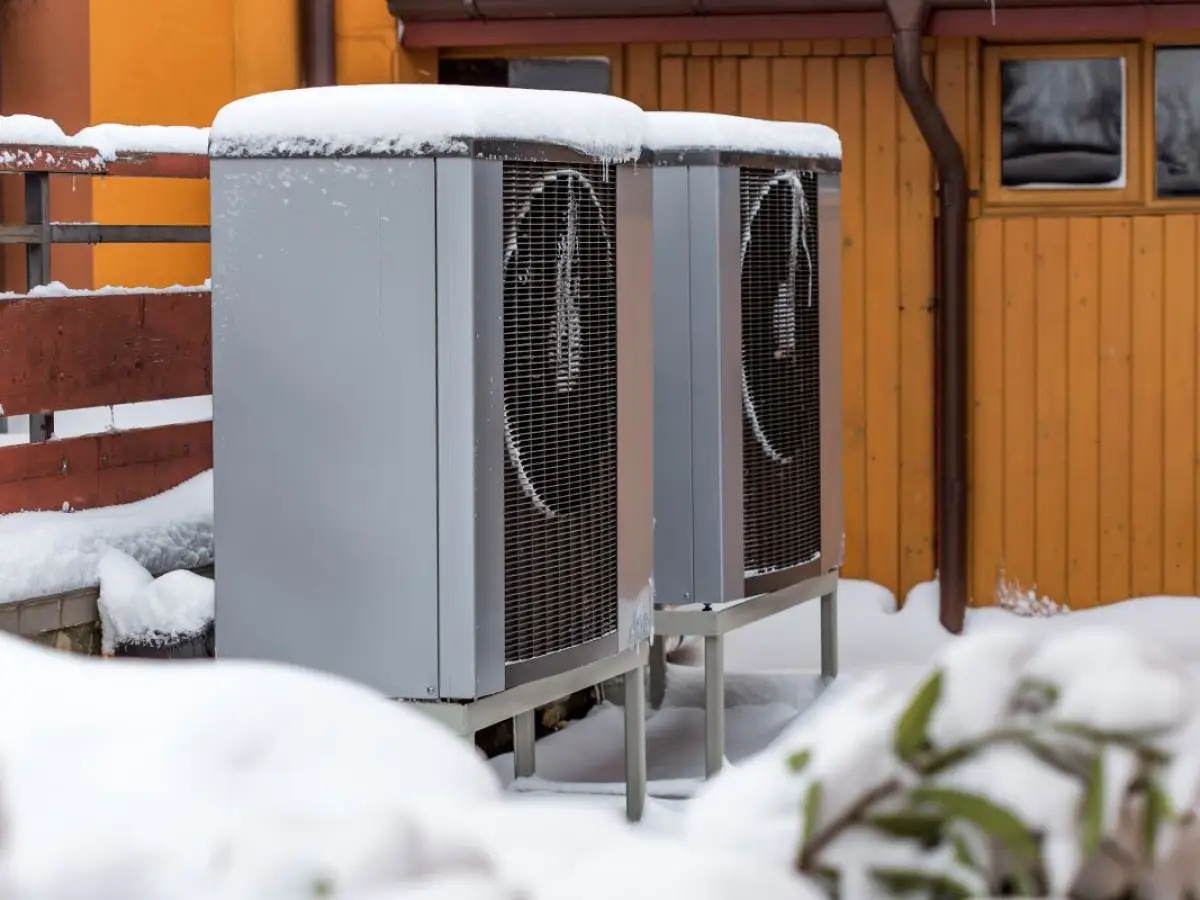

This article is part of our Heat Pumps feature: discover it here
In 2024, according to the European Heat Pump Association (EHPA), sales of heat pumps in the 19 European countries monitored had fallen by 22% compared with 2023, to around 2.31 million units. The following year, the market began to grow again: according to the market report published by the EHPA, by June 2026 sales in the 21 countries analysed had risen by 13% to around 2.88 million units, compared with 2.56 million in 2024. The recovery continued in the first half of 2026, with residential sales in the 12 countries monitored rising by 11% compared with the same period the previous year, reaching approximately 1.16 million units – a trend driven by the surge in gas and oil prices following the crisis in the Strait of Hormuz and the resulting cut in electricity taxes. By the end of 2025, again according to the EHPA, there were approximately 29.3 million heat pumps installed across the 21 European countries under consideration.
These figures should be interpreted with caution, as they relate to samples from different countries and cannot be compared in absolute terms. One thing, however, can be stated clearly: it is difficult to continue debating whether heat pumps work. Instead of burning fossil fuels, as a traditional boiler does, these electrical appliances extract heat from the air, water or the ground and transfer it into buildings to heat them. Depending on the configuration, they can also produce domestic hot water and, in reversible systems, cool rooms by transferring heat to the outside.
However, the technology's maturity alone is not enough to guarantee its widespread adoption. Attention is therefore now turning to three far more practical considerations: namely, how to make these devices accessible, affordable and installable, particularly in existing buildings. And to a fundamental question: will Europe succeed in transforming a technology underpinned by climate policies into a “standard” choice for households and businesses?
A mature technology
Extensive scientific evidence now confirms that the technology performs well in the field as well as in laboratory tests. A monitoring study by the Swiss Federal Institute of Technology Zurich (ETH) of over a thousand domestic systems in ten European countries found an average coefficient of performance (COP) of 4.03 for air-to-water systems and 4.90 for geothermal systems. These values, as a rough guide, equate to an efficiency approximately four times higher than that of a gas boiler.
However, the same study shows just how important proper setup is: within the subset of systems that could be assessed, 17% of air-to-water systems and 2% of geothermal systems performed below the reference thresholds derived from European standards. The results highlight the importance of checking sizing and adjustment, starting with the flow temperature.
A study published in the journal Joule, authored by researchers from the University of Oxford and the Regulatory Assistance Project (RAP), based on real-world installations in North America, Europe and Asia, shows that between 0 and approximately –15°C, heat pumps remain two to three times more efficient than gas and oil boilers, and that models designed for cold climates maintain a COP above 1.5 even at –30°C.
The barometer of public policy and energy costs
In its 2025 report, the EHPA links the recovery to more stable incentives and favourable fiscal conditions, while the slowdown is attributed to suspensions, cuts and uncertain budgets. Reduced or uncertain support in France and Austria, and stagnant incentives in Poland, are having a significant impact; in Italy, overall growth masks the weakness of part of the residential sector. National sales figures therefore reflect policy continuity rather than enthusiasm for the technology, and this uncertainty affects both consumers and a supply chain that needs to plan for investment and training.
Among the regulatory levers that could boost demand for heat pumps are the measures in the Fit for 55 package, including the Energy Performance of Buildings Directive (EPBD) and the new Emissions Trading Scheme (ETS2). The latter, which will be fully operational from 2028, will place a price on CO₂ emissions from fuels used in buildings and road transport, including fossil fuels used for heating.
The key issue, however, lies in the energy bill. A heat pump may consume less energy than a boiler without automatically being more cost-effective: what matters is the price of electricity compared to gas and the actual efficiency of the system. For a heat pump to be cost-effective, the price of electricity must be close to that of gas.
Setting the benchmark is a political decision, and Brussels has made it: with the July 2026 Action Plan for Electrification, the Commission set the target of bringing the ratio between the price of electricity and gas down to a maximum of 2.5 for households and 2 for industry by 2030. In July 2026, according to the EHPA, only in Finland and Sweden was electricity costing less than twice the price of gas. The Regulatory Assistance Project (RAP) had already proposed the same threshold, calling for electricity bills to be relieved of charges and taxes and for flexibility to be incentivised. In March 2025, Daikin also identified electricity prices and the initial investment as the main barriers to adoption in the residential sector.
The imbalance, however, stems from policy choices that can be changed, and the question then becomes which public and system costs are passed on to electricity and which to gas. For Italy, the RAP analysis from September 2026 provides some insight: incentives cannot permanently offset a structural price disadvantage and planning that continues to favour gas.
In terms of the art of designing an incentive, there is also the issue of the initial investment, which covers the entire building-level intervention and not just the appliance itself. The report RAP Money for something argues that it is not only the size of the grants that matters, but also the way in which they are designed: multi-year support programmes, fixed amounts differentiated by technology and efficiency, and support measures for vulnerable households. The most problematic aspect, however, concerns percentage-based grants, as these can fuel cost inflation, a comparison between the German model and the fixed amounts used in the UK and France suggests.
Field testing: apartment buildings, ongoing training for installers, electricity networks
The real test lies in existing homes, where high flow temperatures can reduce efficiency. The technical overview provided on the BUILD UP portal dispels two opposing myths: that every building must first be completely renovated and that replacing the boiler is always an immediate process requiring no further work. It also outlines alternative approaches, ranging from high-temperature systems to hybrid configurations. In apartment buildings, however, RAP notes that governance and accessibility barriers coexist, requiring collective support, with targeted assistance for low-income co-owners.
The installer is also important. BUILD UP highlights the gap between laboratory efficiency and real-world performance, thereby raising the issue of operators’ skills and continuous training. The European Commission’s platform dedicated to accelerating the sector also highlights the fragmentation of certification systems and the difficulty consumers face in comparing quotes and finding reliable professionals. The roll-out of heat pumps also raises the issue of integration with the electricity grid. Smart controls and thermal storage can shift part of consumption away from peak hours, provided that tariffs and regulations make this flexibility cost-effective for users.
A number of questions therefore remain unanswered. How much of the recovery is structural, and how much depends on incentives and favourable prices? Who will bear the costs currently reflected in electricity bills? Is the sector ready to be judged on the heat it actually supplies? These are questions that technology alone cannot answer.
Cover: Envato image