

The first global review presented and approved in Yerevan shows little measurable progress in the fight against biodiversity loss. According to UNEP report State of Finance for Nature 2026, private finance that harms nature currently outweighs nature-positive finance by a ratio of 200 to 1. Moreover, there is no legislative framework requiring banks to align with the Global Biodiversity Framework. This is the context in which the Species Recovery Alliance was born. It is a collective commitment by nine different philanthropic organisations, which are allocating more than $500 million over five years to support the recovery of threatened species.
To find out more, Renewable Matter interviewed Devin Murphy, Associate Director of Communications at Re:wild, one of the organizations behind the Alliance.
The first global review here in Yerevan shows little measurable progress on curbing biodiversity loss. Was that the trigger of this Alliance? What gap did you identify, and why now?
We saw the opportunity to better coordinate among organizations that are already working on preventing biodiversity loss through species protection and recovery. To achieve the greatest impact, we need to fund species recovery and understand where resources and expertise are most needed. Often, multiple organizations work on the same species without making sure that the funding addresses the full range of conservation needs, fills critical gaps, and supports a cohesive, long-term recovery strategy. For example, one organization might fund habitat protection, while another supports conservation breeding. Without coordination, funding for essential activities like reintroduction, population monitoring, or addressing the threats that caused the species to decline in the first place, may fall through the cracks. Instead, with coordination, we can direct resources where they are most needed and support complementary conservation efforts. Collectively, we can achieve more than what any organization can accomplish alone and get more done with every dollar spent. No single organization can rise to the challenge alone: we are dealing with 31,000 species worldwide classified as Extinct in the Wild, Critically Endangered or Endangered. By aligning and coordinating our funding, we can tackle challenges that exceed our individual capacities. In addition, we are encouraging new donors to support species conservation and inspiring some existing donors to increase their contributions.
Why did the Alliance choose to focus solely on the recovery of threatened species, rather than supporting a broader range of biodiversity conservation initiatives, such as habitat protection or ecosystem restoration?
Protecting and recovering species is a critical nature-based solution to the interconnected climate and biodiversity crises. Protecting habitat is essential, but many threatened species also need targeted interventions, including conservation breeding, reintroductions, genetic rescue and efforts to address specific threats. In turn, species recovery benefits entire ecosystems. As species regain their populations and ecological roles, they help restore the health and resilience of the ecosystems where they live, which are vital to the overall health of the planet.
This is a collective pledge from nine donors. The Alliance commits more than $500 million over five years. How much of this money is additional, and how much is existing funding now aligned under a common banner?
The Species Recovery Alliance is not a pooled fund. It is a coordinated effort among nine philanthropic organisations to better align existing and future investments in species recovery, identify funding gaps and maximise our collective impact. The commitment of over $500 million includes funding already dedicated to species recovery. For example, Re:wild commitment of $130 million includes our $100 million contribution to the Phoenix Species Project.
In the State of Finance for Nature 2026 report, UNEP says private finance that harms nature currently outweighs nature-positive finance with a ratio 200 to 1, and no major jurisdiction requires banks to align with the Global Biodiversity Framework. How can the Alliance avoid nature-negative finance caused by the absence of regulation in this matter?
We think that coordinating with each other is a way to avoid investing in strategies that are less effective or unproven. Members will direct their own investments autonomously, but they will work closely together to coordinate priorities, share expertise and identify opportunities to strengthen and scale conservation efforts. The goal is making these combined investments more effective and recover more species in a more effective way than what we could have done working independently. The biodiversity crisis is too big for any single funding commitment to solve it alone. We already have the knowledge and expertise to recover many species. What we need is sustained investment to put this knowledge into practice. We want to contribute to catalyse global effortsto recover the most endangered species in the world.
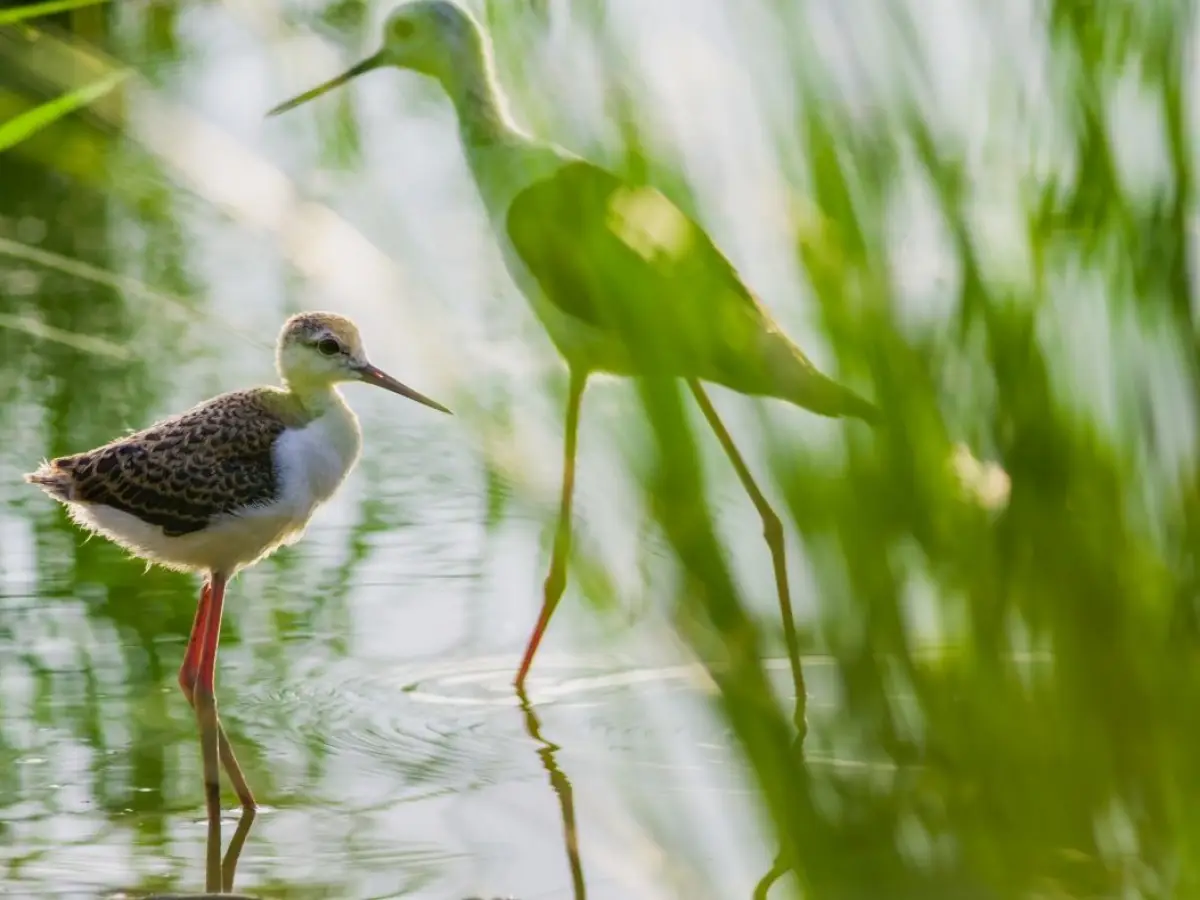
Cover: Envato image