

Istanbul - As Turkey prepares to host COP31 in Antalya, criticism is growing over companies that are harming the environment, while sponsoring the summit and having prominent roles in it. The roles given to major conglomerates have sparked controversy. In fact, these companies have made headlines for the destructive impact on nature and habitats of their projects in sectors such as mining, energy and large-scale infrastructure.
One example is Limak Holding, which will host a Blue Zone side event titled “Sustainable Energy Equation: Security of Supply, Economic Accessibility and Rapid Decarbonisation”. The company is known for cutting down trees in Akbelen Forest in Muğla, located on Turkey’s southwestern coast, to expand its mining area.
Another Muğla-based project is also under scrutiny. Sinpaş Holding, a “climate supporter” at OP31 is the focus of a local environmental campaign over its hotel project in Muğla, which is located near the boundaries of a national park and forest land.
Is a just transition possible?
Coal expansion has also become a key issue. In June, the Cenal Thermal Power Plant, an imported-coal facility in Çanakkale’s Biga district, got the green light to expand from 1,320 MW to 2,370 MW. The company behind the project, Cengiz Holding, has been named COP31’s Sustainable Transformation Partner.
Environmental groups are now calling for a clear change of course. They are urging lTurkey to accelerate the transition away from fossil fuels, rule out new coal projects, set a just coal phase-out timeline and end public support for coal, which harms the environment, public health, local communities and the economy.
“Plans for new coal capacity in Çanakkale, continued efforts to expand coal-fired power generation in Afşin-Elbistan and the destruction of villages for coal mining in Akbelen highlight the contradiction between Turkey’s energy strategy and the climate goals it seeks to advance as host of the summit,” Duygu Kutluay, a campaigner at Beyond Fossil Fuels, told Renewable Matter.
Kutluay added that Turkey’s strong solar and wind potential offers an important opportunity to speed up the phase-out of coal and deliver a just transition.
The Alternative: People’s Climate Summit
The People’s Climate Summit (PCS), organised as an alternative to COP31, will be held in Antalya from 15 to 18 November. The summit, which will bring together civil society organisations, local resistance movements, and women’s and youth groups from around the world, will discuss the systemic causes of the climate crisis and people-led solutions.
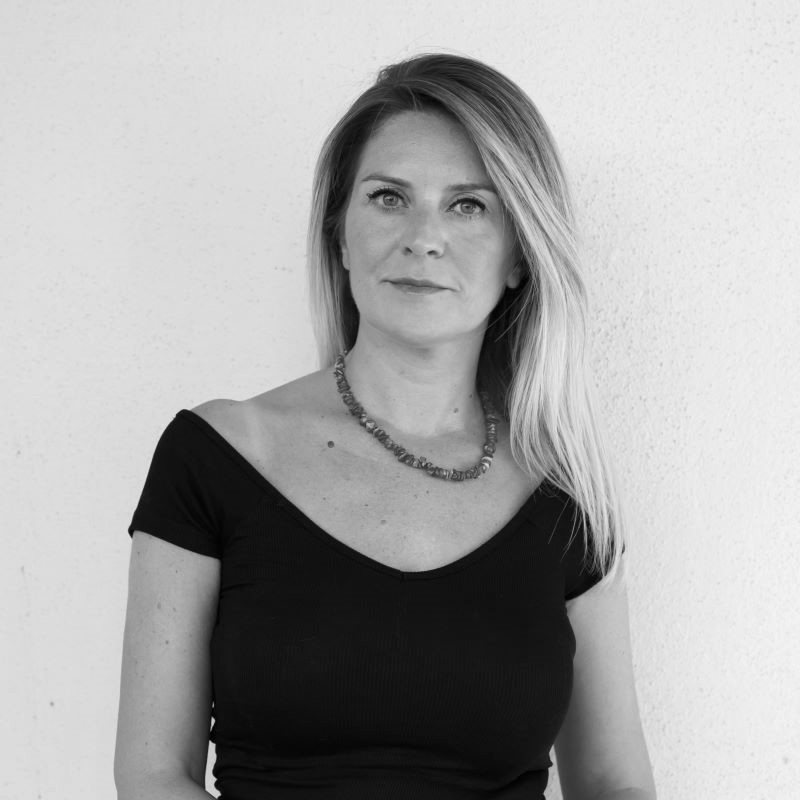
Dr. Ecehan Balta, a PCS volunteer, said that the role of Turkey as host of COP31 represents an important opportunity to draw attention to the contradictions in Turkey’s approach to the climate crisis.
According to Balta, the floods that hit Istanbul on 14 October underlined the urgency. “The real issue should be changing the economic and spatial order that exacerbates these disasters,” she said.
“Zero Waste” is among the key themes Turkey has promoted ahead of COP31. But Dr. Balta warned that framing it solely around individual consumption habits and recycling is not enough. “Turkey has become one of the main destinations for Europe’s plastic waste, much of it arriving in the Mediterranean basin, especially Adana and Mersin,” she said. “If Europe keeps its cities ‘clean’ by shipping plastic waste to Turkey and the Global South, that is not a circular economy.”
Rights Under Pressure
The contradictions that Turkey faces as it prepares to host COP31 extend beyond environmental damage. Press censorship and broader attacks on human rights underscore the growing restrictions on dissent and civil society.
The crackdown on independent media continues on multiple fronts. At least 19 journalists and media workers were incarcerated. In addition, more than 1,270 X accounts were blocked in September alone, including those belonging to news outlets, journalists and human rights groups.
On October 14, the police raided the Istanbul headquarters of opposition broadcaster Halk TV, halting its live broadcasts and placing the channel under a government-appointed trustee. Halk TV became the fifth major news outlet in Türkiye to be placed under trusteeship.
Authorities said the move was part of a corruption investigation, while the channel rejected the allegations. Amnesty International condemned the takeover as “a brutal blow to media freedom”, noting that the raid took place on the same day jailed Istanbul Mayor Ekrem İmamoğlu was due to testify in a trial that Halk TV would likely have covered extensively.
The pressure extends beyond the media, with authorities also targeting political dissent and civil society. Ahead of the NATO summit in Ankara in July, Turkish authorities ordered the detention of 225 people, including political activists and environmental campaigners, on suspicion of “membership in armed organisations.”
LGBTI+ organisations and human rights defenders have also faced mounting pressure. In September, police launched a nationwide operation dubbed “My Family Is Safe”, leading to the arrest of at least 116 people following raids on homes and the offices of LGBTI+ rights groups.
Environmental activists, too, have faced legal pressure. Human Rights Watch has reported that Turkish authorities have arbitrarily arrested and prosecuted people involved in environmental protests. Criminal investigations and arrests targeting environmental protesters since 2023 have had a significant chilling effect on freedom of expression and assembly, the rights group said.
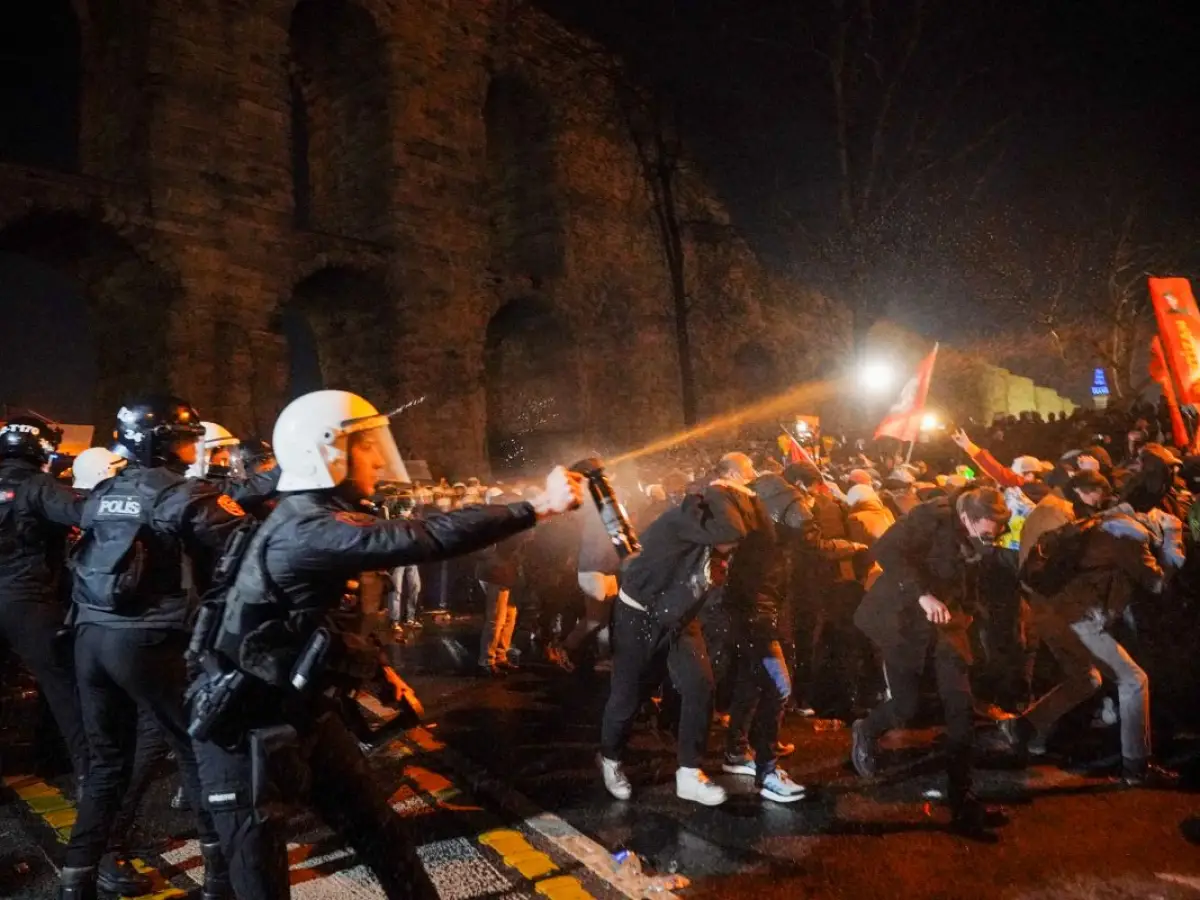
Cover: Clashes between demonstrators and police during a protest march. Supporters of Istanbul Mayor Ekrem Imamoglu rally in Istanbul following the arrest of Imamoglu in Istanbul, Turkey, 21 March 2025. Photo by Omer Hamza Yildiz/Depo Photos/ABACAPRESS.COM, IPA Agency