

STEP by Pollutec is a new two-day event launching at Paris Expo Porte de Versailles on 1–2 December 2026, developed by RX France as a focused platform complementing Pollutec, its flagship environmental trade show in Lyon. On the visitor side, it is designed for industrial and territorial decision-makers who need practical solutions to reduce costs, secure resources, decarbonise operations and build resilience.
Built around two pillars, decarbonisation and the circular economy, STEP’s programme is framed around geopolitics, resource security and European industrial resilience, thus echoing the priorities set out in the Draghi report, the EU Competitiveness Compass, the Clean Industrial Deal and the forthcoming Circular Economy Act. Honorary president Brune Poirson and speakers including Janez Potočnik and BBVA's Antoni Ballabriga headline the opening edition.
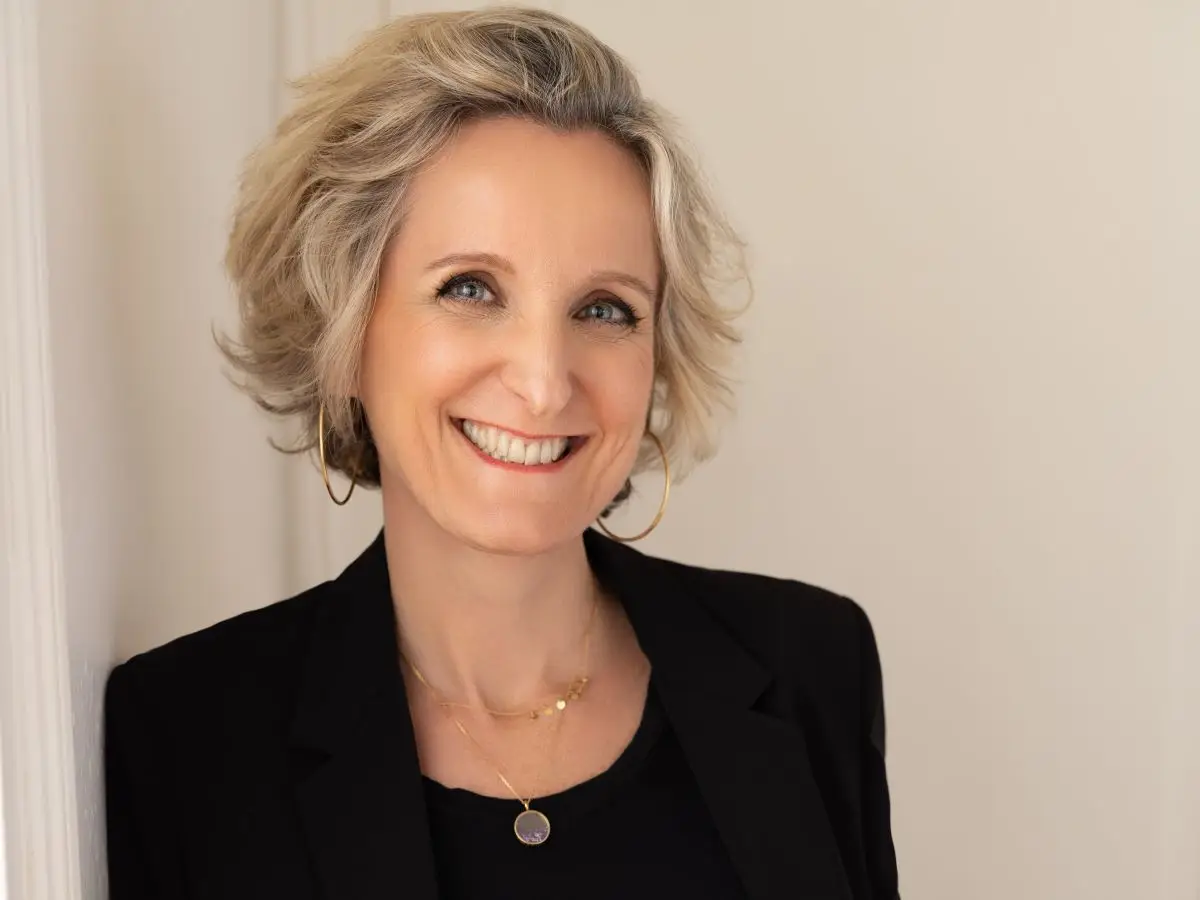
Anne-Manuèle Hébert has directed Pollutec since 2023, and takes on a new title this year: launch director of STEP by Pollutec. We spoke about why the ecological transition needed a second, sharper-edged event alongside RX France's flagship Lyon show.
What was the thinking behind launching STEP?
The context has changed. Climate change, dependence on materials and energy, and the need for industrial sovereignty and competitiveness have created a new business environment. Ecological transformation used to be perceived as a constraint. Today it has become a lever to answer these pressing questions. Decarbonisation and circularity are part of the answer. Industries no longer have to choose between transformation, efficiency and sovereignty. The question is finding the right mix. That is what we feel deeply with the launch of STEP.
Why these two pillars specifically, decarbonisation and circularity, and not others?
The transformation is a reboot of how we produce: waste is no longer waste, and resource scarcity is now understood at every level. Electrification and decarbonisation are the mission of every industry, even local authorities. That is why we chose these two pillars.
Who is STEP actually for?
Our goal is to gather the whole value chain of decarbonisation and circularity: solution providers, consultants, financing banks, insurers, official bodies. There is no single persona, but there is a common criterion: the need to leverage ecological transformation to become more robust. We like that word, because for us it means a mix of efficiency and resilience, today and in the years to come.
The programme centres on “geopolitics and strategic resource management” and “building European resilience”: themes very close to the priorities set out in the Draghi report, the Competitiveness Compass, the Clean Industrial Deal and the Circular Economy Act. What can attendees expect?
The political landscape has changed since the Green Deal, and we need to provide an update. We will talk about the Circular Economy Act, which I think is central to European industrial sovereignty, and about Europe's dependence on energy. We are also currently building a focus on water, not only as an ecological resource but as an industrial one. This past summer gave us an additional reason to put it on the agenda.
How is the two-day format structured?
Day one covers the landscape: European policy and the geopolitical situation shaping it. Day two is a full day of case studies on decarbonisation or circularity, chosen because they are duplicable. Whoever attends, whether a visitor or an exhibitor, should leave having met the right stakeholder to strengthen their own industrial resilience strategy. For year one, we expect over 200 exhibitors and 5,000 to 7,000 participants. The mix matters more than the numbers: exhibitors spanning decarbonisation and circularity, visitors from local authorities, the ecological ecosystem and industry itself.
How does STEP differ from Pollutec, your flagship show?
Pollutec is a comprehensive trade show for people who already know they need a vertical solution: waste management, water treatment, energy. STEP's angle is different: we treat ecological transformation not as the goal but as the lever, through a cross-sector approach. We talk to people who are not transformation experts, such as production, procurement, finance and CSR professionals, as well as C-level executives, whose mission is to do better, often cheaper, clearly greener.
So this is really about the competitiveness Mario Draghi describes.
Exactly. His report is a great opportunity for ecological transformation industries, because the shift in mindset it demands from governments and companies is exactly what brings change.
Trade shows built around sustainability aren't always sustainable themselves. What is STEP doing about its own footprint?
STEP is organised by RX, which has committed to net zero emissions by 2040 across all its shows. We invest in reducing waste, and where we can't reduce it, we recycle or upcycle it, working with food and materials associations. Single-use plastic water bottles are gone, replaced by fountains. We encourage attendees to travel by train. There has been no carpeting since Pollutec 2023. We have a dedicated sustainability team at RX, and yes, we would be happy to be measured by attendees against our own criteria, properly, with our sustainability director involved.
Cover: Anne-Manuèle Hébert