


Almost 1,900 kilometres south-east of Tokyo, in the vastness of the western Pacific Ocean, lies the uninhabited atoll of Minami-Torishima. Japan’s easternmost outpost, this sliver of land secures for the country an extensive exclusive economic zone (EEZ), where the research vessel Chikyu has just embarked on a mission to sample rare earth rich mud from the seabed.
Although it has not been explicitly stated, the strategic objective is clear: to curb dependence on China for critical materials and rare earths, now essential to the automotive, defence, and tech industries, as well as various sectors of the green transition. Yet opposition to deep-sea mining remains strong, driven both by the potential damage to marine ecosystems and by the still-limited understanding of the ocean floor.
The race for mineral independence
“Actually, to call this expedition the ‘first seabed mining expedition’ is quite a stretch,” said Shigeru Tanaka, Asia regional coordinator of the Deep Sea Conservation Coalition (DSCC). “The only thing they are doing is bringing in a 6000 meter plus pipeline and checking its vertical connectivity in the target area. Actual mining is still far from reality, and it likely will not take place until and unless regulations are finalised and agreed to at the ISA, the International Seabed Authority”.
According to a 2018 study published in the journal Nature, the seabed around Minami-Torishima atoll could supply yttrium, europium, terbium, and dysprosium for an estimated 780, 620, 420, and 730 years respectively. It is an area of enormous extraction potential, capable of meeting a significant share of demand for these raw materials and substantially reducing Japan’s reliance on foreign suppliers.
The project, long in the planning, comes amid rising geopolitical tensions with China, which has stepped up economic pressure on Japan, most recently through a blockade on exports of dual-use goods, products intended for both civilian and military applications. For Tokyo, however, the episode is something of a déjà vu: in 2010, Beijing cut rare earth exports to Japan following a maritime incident in the East China Sea, sparking a trade dispute between the two nations.
At the time, Japan depended on China for 90% of its rare earth needs; today, thanks to a strategy of diversification and recycling, that figure has fallen to between 60 and 70%. Tensions have also been exacerbated by remarks made earlier this year by newly appointed Prime Minister Sanae Takaichi: in defence of Taiwan, she remarked that a Chinese attack on the island could constitute “a survival-threatening situation”, potentially requiring the use of force.
The project
"After seven years of steady preparation, we can finally begin the confirmation tests. It's deeply moving”, said to Reuters Shoichi Ishii, the head of the programme. “If this project succeeds, it will be of great significance in diversifying Japan's rare earth resource procurement".
The vessel, which set sail from the port of Shimizu in the coastal city of Shizuoka, will operate until mid-February to conduct initial tests on muds lying some 6,000 metres below the sea surface. The initiative has the full backing of the Japanese government and, over the past decade, has cost around 256 million dollars, roughly 40 billion yen. If the analyses carried out this month prove successful, the project’s timeline envisages the launch of large-scale mining trials in 2027.
“To be fair, the scientists on Japan's team are slow-walking these steps likely because they too understand that the environmental impacts can be devastating and irreversible”, Shigeru Tanaka told Renewable Matter. “They also understand that there is significant international opposition to hastily conducted seabed mining. Even if this takes place within the EEZ, Japan is nonetheless obliged to a stewardship responsibility that aligns with international regulations under UNCLOS, the United Nations Convention on the Law of the Sea.”
The environmental unknown
“The concerning thing is that even given all this, the Japanese team still feels compelled to hype the impression that seabed mining is imminent. This is because we too now have a hawkish and reckless head of state,” highlights Tanka. “We should not be betting the marine environment to fulfil a politician's ego, and a safe way to do that would be to all agree on a global moratorium. Under a moratorium, these hypes will become meaningless and help to tone things down a notch. I think many of us can agree now that things need to be de-escalated a bit globally”.
The moratorium Tanaka refers to is the one proposed by the DSCC, calling for a halt to commercial deep-sea mining. It has already been signed by 40 states worldwide, including Brazil, Canada, Spain, Denmark, and New Zealand, but not Japan. Scientists, parts of civil society, and several international organisations also support the initiative.
While diversifying sources of critical materials and rare earths remains a strategic priority, particularly for countries heavily dependent on external suppliers, seabed mining continues to raise serious questions about the health of these ecosystems. Environmental risks, scientific uncertainties, and regulatory challenges make these ventures highly controversial, especially given the existence of more sustainable alternatives, both environmentally and economically. These include circular economy solutions, such as recycling and reusing materials already in circulation, as well as the development of new technologies that reduce the demand for virgin raw materials or replace them with alternative options.
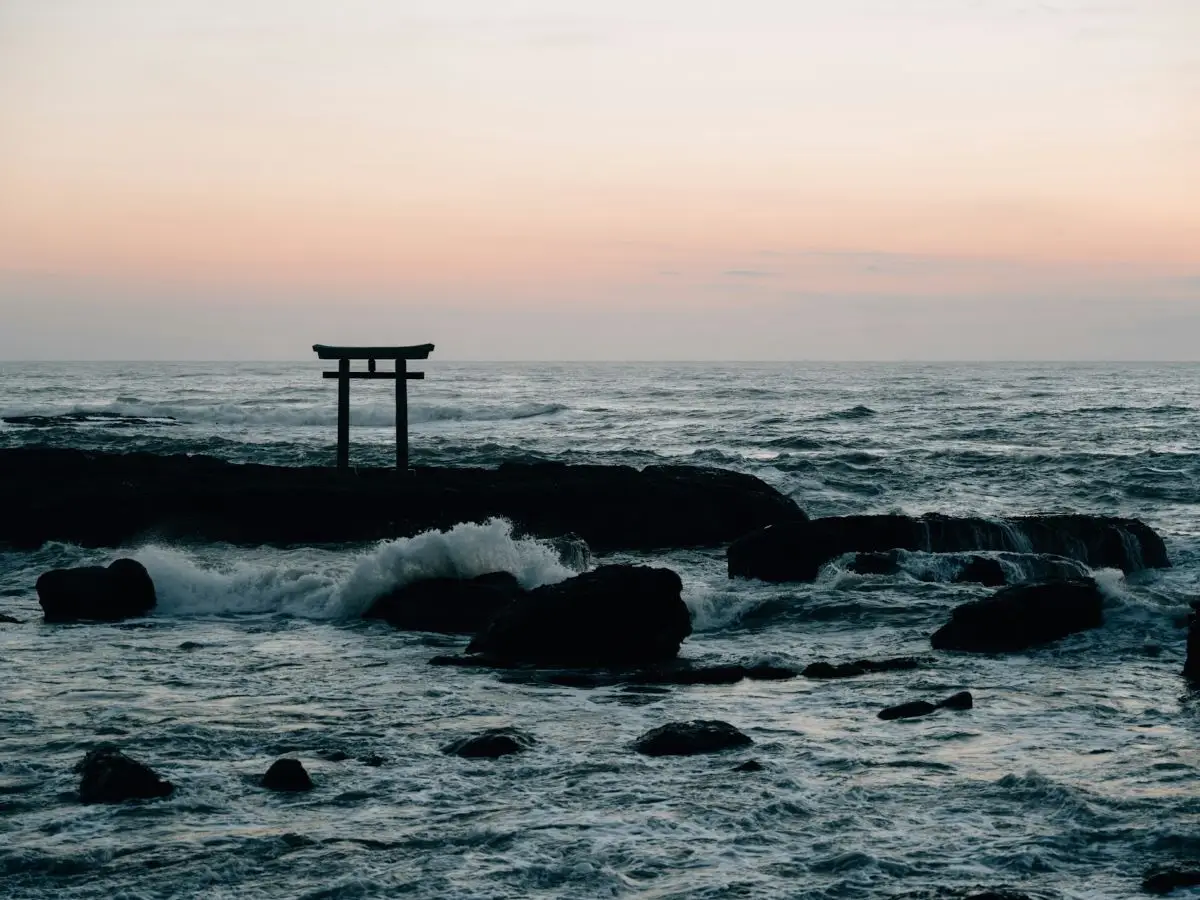
On the cover: photo by Ray Zhuang, Unsplash