



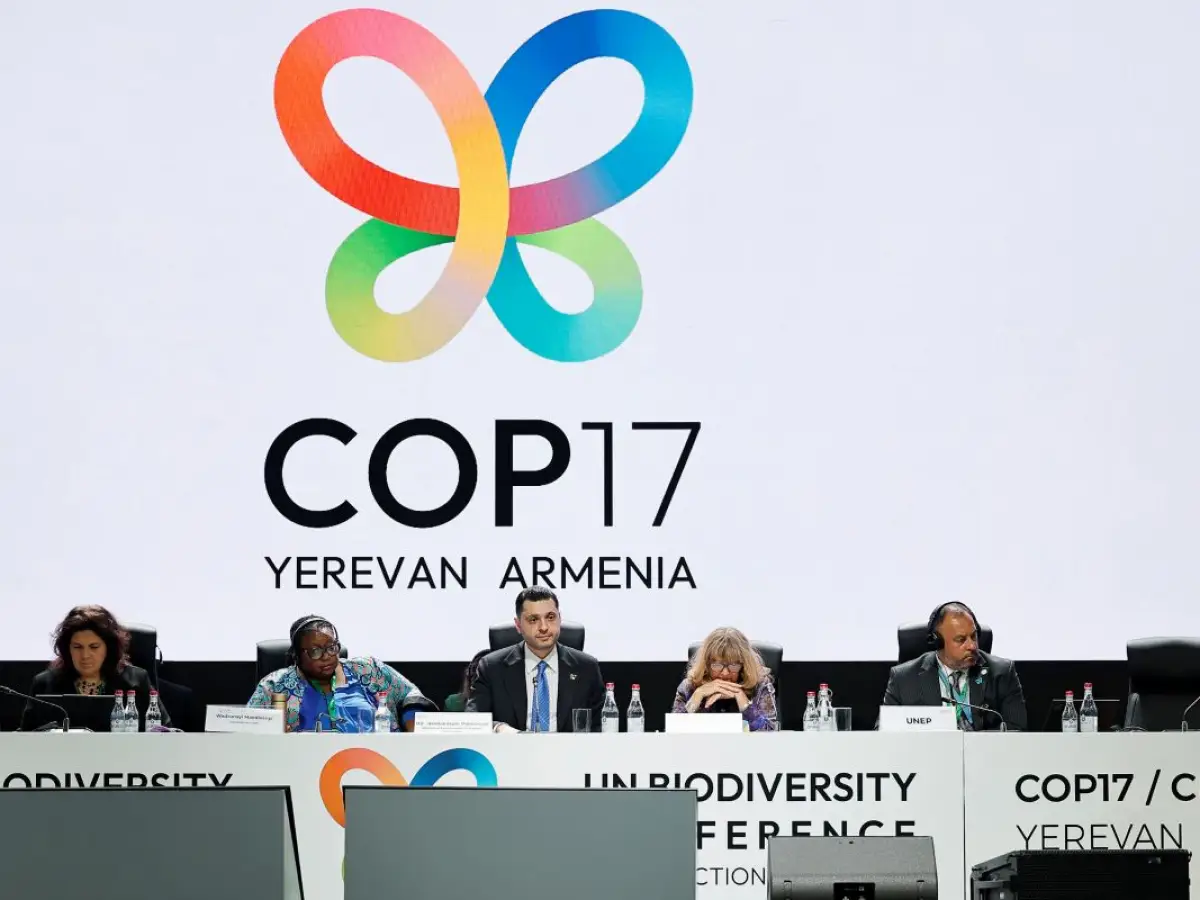
da Yerevan - Iniziato il segmento di alto livello della Conferenza delle Nazioni Unite sulla biodiversità, COP17, l’attenzione si concentra su uno dei temi chiave: la finanza per la natura, risorse economiche e taglio degli incentivi economici dannosi per la biodiversità. Tra i 140 ministri e viceministri delle finanze e dell’ambiente è presente per l’Italia il sottosegretario Claudio Barbaro.
Quando nel 2022 è stato adottato il KMGBF, acronimo del Global Biodiversity Framework di Kunming-Montreal, i paesi firmatari si sono impegnati a mobilitare almeno 200 miliardi di dollari l’anno di finanza pubblica internazionale per la biodiversità entro il 2025, con l’impegno dei paesi in via di sviluppo di contribuire con almeno 20 miliardi di dollari l’anno entro il 2025 e almeno 30 miliardi entro il 2030. Inoltre, tutti si sono impegnati a ridurre di almeno 500 miliardi di dollari l’anno gli incentivi dannosi entro il 2030, partendo dai più nocivi, e a far crescere gli incentivi positivi.
Come nelle famiglie e nei rapporti sociali, quando si parla di soldi si tocca un tema caldo. Ma qui si tratta di spendere soldi per la resilienza economica delle nazioni, non tanto di “conservare la natura”. La motivazione la ricorda Inger Andersen, sottosegretaria generale delle Nazioni Unite e direttrice esecutiva del Programma delle Nazioni Unite per l’ambiente: “La natura non è un lusso che proteggiamo solo quando le economie se lo possono permettere. La natura è ciò che rende possibili le economie. La presenza dei ministri delle finanze alla COP 17 lancia un segnale importante. La perdita di biodiversità non è semplicemente un problema ambientale. È un problema economico, e le soluzioni devono arrivare al cuore del processo decisionale economico”.
La presidenza armena ci tiene a sottolineare gli impegni dei paesi partecipanti arrivati fino al 27 ottobre: "La COP 17 sta consentendo una mobilitazione complessiva di oltre 1,8 miliardi di dollari provenienti da tutte le fonti – governi, organizzazioni filantropiche e investitori – a sostegno di un’azione incisiva a favore della biodiversità", ha affermato Hambardzum Matevosyan. "La prima settimana ha dimostrato che la cooperazione può portare a progressi. La seconda settimana dovrà dimostrare che l’impegno politico può tradursi in azioni concrete."
Finanza pubblica per la natura
Per colmare tali divari, tuttavia, i governi dovranno superare notevoli divergenze nel corso dei negoziati. Rimangono aperte questioni fondamentali su chi debba contribuire al finanziamento internazionale della biodiversità, su quali siano gli importi da mobilitare e attraverso quali meccanismi. Le parti rimangono inoltre divise sulla formulazione relativa alla riduzione o all’eliminazione graduale degli incentivi dannosi, compresi i sussidi agricoli.
Per i negoziatori ci sono varie soluzioni sul tavolo: si annuncia di aumentare le risorse sia allargando la base dei donatori (quindi chiedendo ad altri paesi di contribuire) sia mobilitando risorse finanziarie “from all sources” (privati, filantropie, pubblici). Tutti i punti sono però ancora tra parentesi quadre, cioè non ancora concordate.
Nel testo negoziale viene anche proposta una lista di criteri su come gestire i soldi della Convenzione, insieme a una roadmap fino a COP18: l’organo sussidiario sull’attuazione (SBI) servirà per fare il punto sul Global Biodiversity Framework Fund (GBFF) e preparerà le opzioni per creare un nuovo fondo o confermare quelli esistenti. Sul tavolo c’è anche l’allargamento della base dei donatori, cioè quali paesi debbano contribuire. Intanto, al Finance Day di COP17 a Yerevan, il Global Biodiversity Framework Fund ha superato il mezzo miliardo di dollari, grazie a 60 milioni di dollari in nuovi pledge governativi, incluso il primo contributo di una città, Berlino. Tra i nuovi donatori la Spagna (con 50 milioni di euro) e l’Uzbekistan (4,5 milioni di dollari).
La riforma dei sussidi ambientalmente dannosi
L’altro grande tema di COP17 è il target 18 che riguarda la riforma dei 500 miliardi di dollari l’anno di sussidi dannosi per la natura. Ai governi si sta chiedendo di darsi due anni per individuare e riorientare i sussidi negativamente impattanti e dannosi per la biodiversità.
Per facilitare i progressi la presidenza armena ha lanciato la Yerevan Call on Incentives Positive to Biodiversity un’iniziativa politica di pressione sui governi partecipanti e presentato la piattaforma volontaria Friends of Target 18, volta a sostenere l’impegno politico, facilitare lo scambio di esperienze nazionali, promuovere soluzioni concrete e proseguire la cooperazione oltre la COP17. Matevosyan ha invitato i paesi a sostenere l’appello di Yerevan sugli incentivi positivi per la biodiversità e a valutare la possibilità di aderire alla piattaforma.
In una conferenza stampa, Patricia Zurita, di Conservation International, ha spiegato a Materia Rinnovabile che ci si aspetta che “almeno una decina di paesi aderiscano alla piattaforma”, un numero non certo degno di essere definito un successo. Tra i primi firmatari figurano Colombia e Costa Rica, mentre è attesa la firma della Francia. Zurita ha anche ribadito che è importante che nel testo finale venga preso un chiaro impegno dei paesi per aumentare il lavoro sul taglio dei finanziamenti.
Forte il supporto di varie realtà del mondo del business. “Stiamo investendo per contribuire a costruire catene di approvvigionamento agricole più resilienti, ma solo attraverso la collaborazione tra imprese, responsabili politici e catene del valore sarà possibile raggiungere una portata significativa”, ha commentato Christopher Adamo, responsabile della sostenibilità globale e della certificazione B Corp presso Danone. “Nessuna azienda può guidare questa transizione da sola. Incentivi e politiche adeguati possono accelerare la transizione, rafforzando al contempo la competitività, la resilienza e la sostenibilità a lungo termine dei sistemi agricoli.”
Per Raphaëlle Archambeaud-Sicot, responsabile della sostenibilità di L’Occitane en Provence, “quando la natura viene compromessa, anche le nostre catene di approvvigionamento ne risentono. Eppure, troppo spesso i fondi pubblici continuano a premiare pratiche dannose anziché incentivare quelle sostenibili. L’appello di Yerevan e i Friends of Target 18 rappresentano un segnale importante che i governi stanno ascoltando e sono pronti al cambiamento. La riforma degli incentivi fiscali e finanziari premia i produttori sostenibili e infonde nelle imprese la fiducia necessaria per investire nella resilienza a lungo termine”.
La posizione italiana e quella Europea
“L’Italia parte da una posizione avanzata: abbiamo già sviluppato un Catalogo dei sussidi ambientalmente dannosi e dei sussidi ambientalmente favorevoli, un’esperienza riconosciuta anche alla COP17 come esempio virtuoso di attuazione del target 18 del Quadro globale utile per altri paesi”, spiega a Materia Rinnovabile il sottosegretario del MASE, Claudio Barbaro. Anche se non annuncia per il momento l’ingresso nel gruppo dei Friends of Target 18. “Ne valuteremo l’adesione insieme alle amministrazioni competenti, perché possiamo non solo beneficiare dello scambio di esperienze, ma anche mettere a disposizione il nostro metodo.”
Il Catalogo dei sussidi ambientalmente dannosi e dei sussidi ambientalmente favorevoli, aggiornato annualmente dal Ministero dell’ambiente e della sicurezza energetica, rappresenta uno strumento per l’attuazione della Strategia nazionale per la biodiversità 2030 e per il progressivo riallineamento degli incentivi economici agli obiettivi ambientali e climatici.
“In questo contesto, tra il 2022 e il 2023, l'Italia ha ridotto di oltre 280 milioni di euro annui i sussidi ambientalmente dannosi, eliminando diversi incentivi ai combustibili fossili con impatti negativi sulla biodiversità e rafforzando l'allineamento dei flussi finanziari agli obiettivi del Kunming-Montreal Global Biodiversity Framework”, spiega Barbaro. Ma i progressi da fare sono ancora tanti. E nel frattempo non arriva nessun annuncio di nuovi pledge da Roma.
“L’Italia ha contribuito agli sforzi internazionali per la mobilitazione delle risorse finanziarie a favore della biodiversità, destinando, nell'ambito dei finanziamenti bilaterali dei paesi membri dell'OCSE-DAC, una quota delle risorse della cooperazione allo sviluppo a iniziative di conservazione e uso sostenibile della biodiversità nei paesi partner”, aggiunge il sottosegretario, con un impegno generico di “rafforzare ulteriormente la mobilitazione di risorse da tutte le fonti, pubbliche e private, nonché di consolidare la cooperazione internazionale e il coinvolgimento del settore finanziario”.
Per la commissaria EU Jessica Roswall, un momento importante per riformare i sussidi ambientalmente dannosi sarà il prossimo budget europeo: “Per il prossimo bilancio a lungo termine, la Commissione propone di destinare il 35% al clima, alla natura e all’ambiente” spiega a Materia Rinnovabile. “Questo è un modo per incoraggiare l’agricoltura sostenibile e altri investimenti sostenibili. Il principio del ‘non causare danni significativi’ offre un’ulteriore garanzia: i fondi pubblici dovrebbero sostenere attività che non danneggino la natura. Questa discussione è importante perché, sebbene siano necessari maggiori finanziamenti, anche le risorse esistenti devono essere utilizzate in modo efficiente. Riorientare i fondi già investiti in misure reattive è un approccio semplice.”
Un impatto misurabile
Secondo lo State of Finance for Nature 2026 dell’UNEP, per ogni dollaro di finanza privata che protegge la natura, oltre duecento finanziano attività che la distruggono. È questo il numero che sta cambiando il modo di parlare di soldi fuori dalle aule negoziali del Meridian Expo di Yerevan: non più quanti fondi servono, ma come si gestiscono e dove vanno quelli che già esistono.
Lo stesso report riafferma il concetto che la finanza stia “scorrendo nella direzione sbagliata”. I dati mostrano un enorme squilibrio nei flussi finanziari globali: per ogni dollaro pubblico investito nella protezione della natura, circa 12 vanno in sussidi dannosi per la biodiversità. Nel privato il rapporto sale a 213 a 1. In sostanza, nel 2023, sono stati circa 7.300 i miliardi di dollari che sono andati verso attività con impatti negativi sugli ecosistemi, contro 220 miliardi investiti in Nature-based Solutions.
Eppure, l’attenzione del settore privato rimane basso. Persino la stampa finanziaria è completamente assente da COP17, fa notare un consulente esperto che preferisce rimanere anonimo. Qui ci sono le banche come JP Morgan, Deutsche Bank, BNP Paribas, e pochissimi giornalisti finanziari. Così non si potrà mai svoltare se non si dà attenzione a questo negoziato.
Leggi anche: COP17, il valore delle foreste: intervista a Steve Edwards (FSC)
In copertina: Plenaria di apertura della riunione di alto livello (HLS) nella “Blue Zone” della COP17, 27 ottobre 2026. Al centro: Hambardzum Matevosyan. © COP17 Yerevan/Davit Hakobyan, via Flickr